Skip to content





Understanding the difference between crack and meth is crucial for anyone concerned about substance abuse, whether for themselves or a loved one. Both crack cocaine and methamphetamine fall under the category of stimulant drugs, yet their effects, appearances, addiction potential, and chemical compositions differ in profound ways. At Opus Health, we believe that education is the first step toward intervention and recovery.
Overview of Stimulant Drugs: Crack Cocaine and Methamphetamine
Crack cocaine and methamphetamine are both powerful stimulants, meaning they significantly increase activity in the central nervous system. However, they originate from very different sources.
Crack cocaine is a smokable form of cocaine derived from the coca plant. Its effects are intense but short-lived, often leading to repeated use within a short time frame.
Methamphetamine, commonly referred to as meth, is a synthetic drug created using chemical compounds in illicit laboratories. It produces a longer-lasting higher than crack and can be ingested in multiple ways.
Street Names and Methods of Use
Understanding street names and usage methods helps paint a clearer picture of how these drugs circulate in real-world scenarios. Here’s a breakdown:
Crack Cocaine
- Street Names. Rock, Base, Nuggets, Grit
- Methods of Use. Typically, smoked using a pipe; some individuals may inject it after dissolving it in liquid.
Methamphetamine
- Street Names. Crystal, Ice, Tina, Crank, Glass
- Methods of Use. Smoked, injected, snorted, or ingested orally
These nicknames and routes of administration often vary depending on region and availability, but highlight just how widespread both substances have become.
Chemical Composition and Physical Appearance
While both drugs are stimulants, their chemical makeup couldn’t be more different. Crack cocaine is a crystallized, freebase form of cocaine. It is usually cooked with baking soda or ammonia, producing solid “rocks” that can be easily smoked. It contains no additives meant for prolonged release, which makes its effects come on fast and fade quickly.
Methamphetamine is synthetically produced using a range of toxic chemicals, including pseudoephedrine, an ingredient found in cold medicines, along with substances like battery acid or acetone in illicit labs. These chemicals can vary depending on the manufacturer, making meth extremely dangerous and unpredictable.
Visual Differences Between Crack and Meth
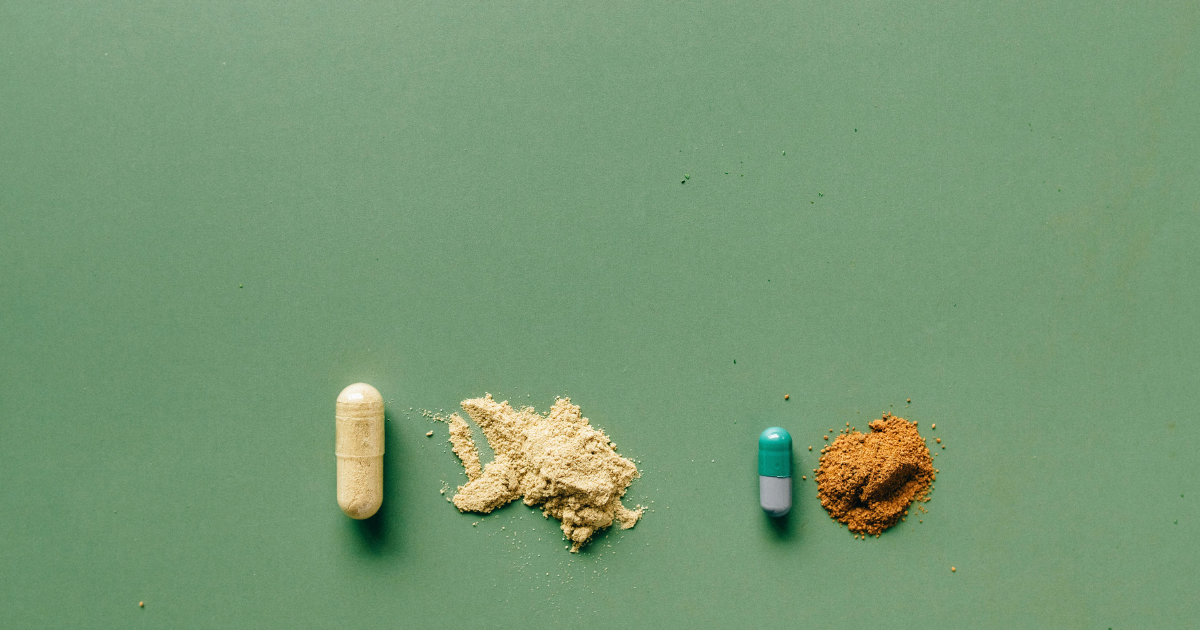
Here’s a table highlighting the major visual and physical appearance differences between the two:
| Feature | Crack Cocaine | Methamphetamine |
| Color | Off-white to yellowish-white | Clear, white, or bluish crystalline |
| Texture/Form | Solid “rocks” or chunks | Crystalline shards or powder |
| Odor | Chemical, burnt sugar smell | Sharp chemical or ammonia-like smell |
| Packaging | Small baggies or vials | Plastic wraps, foil, or small baggies |
These visual cues can often help friends or family members recognize if a loved one is using one substance or the other.
Drug Effects on the Body and Brain
The drug effects of both crack and meth share similarities in stimulating the nervous system, but diverge in duration and intensity.
Crack cocaine produces a fast and intense high that typically lasts only about 5–15 minutes. Users feel euphoria, increased energy, heightened alertness, and reduced appetite. However, this brief high often leads to compulsive binge use, causing an exhausting cycle of crashing and redosing.
In contrast, methamphetamine delivers a high that can last up to 8–12 hours. The euphoria it creates is intense and prolonged, often causing users to go on extended binges without sleep or food for days.
Long-Term Impact and Health Risks
Long-term use of these substances has devastating consequences:
- Crack cocaine can cause respiratory issues (due to smoking), severe mood swings, paranoia, cardiovascular problems, and an increased risk of stroke or heart attack.
- Methamphetamine use is linked to cognitive decline, memory loss, severe dental problems (often called “meth mouth”), hallucinations, and violent behavior.
According to the National Institute on Drug Abuse (NIDA), both drugs significantly increase dopamine levels in the brain, but meth releases more and stays active longer, which is partly why its neurotoxic effects are more severe.
Addiction and Substance Abuse Patterns
Both crack and meth are highly addictive, but the patterns of substance abuse vary based on their pharmacology and effects.
Crack addiction tends to develop rapidly due to the drug’s short-lived high. Users often smoke it in back-to-back sessions to maintain the euphoria, quickly building tolerance and dependence.
Meth addiction often escalates in a binge-crash pattern. Individuals may use meth continuously for days to stay awake or feel energized. This “run” is usually followed by a severe crash, leading to days of sleep and depression.
Behavioral patterns in meth users often include paranoia, obsessive behaviors, and aggressive tendencies. Crack users may exhibit hyperactivity, impulsivity, and anxiety.
Both substances significantly impair judgment, destroy personal relationships, and often lead to job loss or legal issues.

Learn More About the Key Differences Between Crack and Meth at Opus Health
Recognizing the difference between crack and meth can be the first step toward helping someone recover. Whether it’s the short, chaotic binge cycles of crack or the dangerous long-term psychosis caused by meth, both demand professional treatment.
At Opus Health, we provide evidence-based addiction programs tailored to the unique challenges each stimulant presents. Our team specializes in substance abuse recovery, dual-diagnosis treatment, and holistic care. We believe no two recovery journeys are the same, and that includes how we address stimulant addiction.
If you or a loved one is struggling, don’t wait. Visit Opus Health to learn more or speak with one of our compassionate professionals today.
FAQs
- What are the main differences in the chemical composition of crack cocaine and methamphetamine?
Crack is derived from the coca plant and processed with baking soda to form a smokable rock, while meth is synthetic and made from toxic chemicals like pseudoephedrine. Their origin and preparation methods are entirely different.
- How do the physical appearances of crack cocaine and methamphetamine differ?
Crack appears as solid white or yellowish “rocks,” whereas meth looks like clear or bluish crystal shards. They also smell different—crack has a burnt scent, meth a chemical odor.
- What are the effects of crack cocaine vs. methamphetamine on the body and brain?
Crack produces a quick, intense high followed by a crash, while meth causes a longer-lasting euphoric state. Both overstimulate dopamine, but meth stays in the brain longer, increasing the risk of long-term damage.
- How do addiction patterns vary between stimulant drugs like crack cocaine and methamphetamine?
Crack users tend to binge frequently due to its short high, whereas meth users often go on multi-day binges followed by crashes. Both can lead to severe psychological dependence.
- What are the risks of substance abuse when using crack cocaine compared to methamphetamine?
Crack can lead to heart attacks and respiratory issues, while meth is linked to psychosis, dental decay, and violent behavior. Both drugs severely impact mental and physical health.