Skip to content
 Find out why Opus Health is the best Xanax rehab center in Orange County, CA

Raleigh Souther
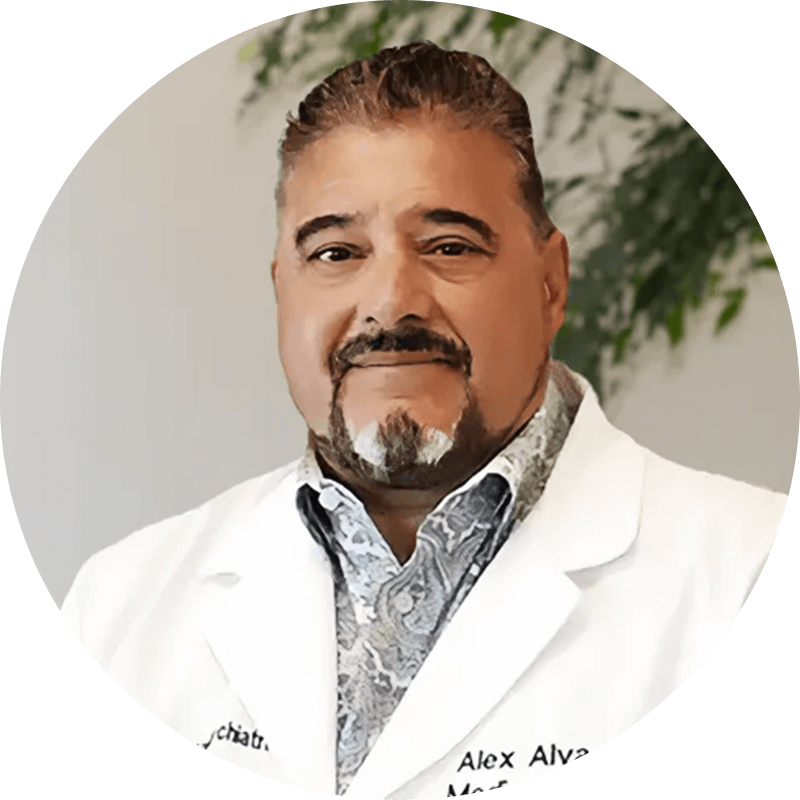
Dr. Alejandro Alva
Xanax (alprazolam) is a prescription benzodiazepine used to treat anxiety and panic disorders. While effective when used as prescribed, its highly addictive nature can lead to dependence, even with short-term use. Xanax addiction occurs when an individual develops a physical and psychological reliance on the drug, often taking higher doses than prescribed or using it recreationally to achieve a calming or euphoric effect. Over time, tolerance builds, requiring more of the drug to achieve the same effects, which can spiral into a cycle of abuse and addiction.
Recognizing Xanax abuse early can prevent severe consequences. Common signs include drowsiness, confusion, slurred speech, impaired coordination, and memory problems. Behavioral changes such as secrecy, neglecting responsibilities, or doctor-shopping for prescriptions are also red flags. Physical symptoms may include headaches, nausea, or tremors, while psychological signs like mood swings, anxiety, or irritability often emerge when the drug’s effects wear off. If you notice these symptoms in yourself or a loved one, seeking professional help is critical.
Xanax addiction is characterized by an inability to stop using the drug despite negative consequences. You may be addicted if you experience cravings, feel anxious or ill without the drug, or prioritize Xanax over work, relationships, or personal health. Other indicators include taking larger doses than prescribed, using Xanax recreationally, or experiencing withdrawal symptoms like shakiness, sweating, or seizures when not using. If you’re questioning your relationship with Xanax, a professional assessment at Opus Health can provide clarity and guidance.
Seek help as soon as you suspect addiction or notice withdrawal symptoms. Delaying treatment can lead to severe health risks, including seizures or overdose, due to Xanax’s potent effects. If you’re unable to cut back, experience cravings, or face challenges in daily life due to Xanax use, it’s time to reach out. Early intervention at a facility like Opus Health can prevent complications and support a safer, more effective recovery process.
At Opus Health, Xanax addiction treatment begins with a medically supervised detox to safely manage withdrawal symptoms, which can be intense due to benzodiazepine dependence. Following detox, our individualized treatment plans include Cognitive-Behavioral Therapy (CBT), group counseling, and holistic therapies like mindfulness and yoga to address the root causes of addiction. Our experienced clinicians tailor each program to your unique needs, fostering skills for long-term sobriety in a supportive, healing environment.
We offer separate men’s and women’s drug and alcohol treatment programs and various types of Orange County addiction outreach options. Each uses the very latest in evidence-based treatment techniques.
At Opus, our residential treatment program stands as a beacon of comprehensive mental health care & substance abuse treatment. Through a blend of a structured and supportive living environment and personalized therapeutic services, individuals receive an intensive and all-encompassing level of care to guide them on the path to wellness.
evidence-based treatment techniques.
At Opus, our residential treatment program stands as a beacon of comprehensive mental health care & substance abuse treatment. Through a blend of a structured and supportive living environment and personalized therapeutic services, individuals receive an intensive and all-encompassing level of care to guide them on the path to wellness.
The duration of Xanax addiction treatment varies based on individual needs. Detox typically lasts 5-10 days, depending on the severity of dependence. Comprehensive treatment, including inpatient or outpatient programs, may range from 30 to 90 days or longer. Factors like co-occurring mental health conditions, the extent of addiction, and personal progress influence the timeline. At Opus Health, we create flexible plans to ensure thorough recovery without rushing the process.
Xanax addiction is a growing concern in the U.S., with significant impacts on public health.
Research shows that almost 30% of opioid-related overdose deaths also involve benzodiazepines—this highlights how combining benzodiazepines (like Xanax) with opioids significantly elevates the risk of a fatal overdose.
According to NSDUH data, almost 5 million Americans misused benzodiazepines—an indication of the magnitude of this misuse and the importance of accessible, specialized treatment programs.
A 2019 study in Psychiatric Services found that of ~30.6 million adults who used benzos in the past year, ~5.3 million misused them—showing that misuse accounts for a significant portion of benzodiazepine use.
In analyses of benzodiazepine-involved overdose deaths, >90% also involved opioids, underlining how dangerous drug combinations are and why dependency and poly-substance risks must be part of treatment.
Xanax addiction can have profound physical, psychological, and social consequences.
Chronic Xanax use can impair memory, concentration, and decision-making, affecting daily functioning and quality of life.
Prolonged abuse may lead to respiratory issues, liver damage, or cardiovascular complications, especially when mixed with other substances.
Addiction often causes conflicts with family, friends, or coworkers, leading to isolation and damaged personal connections.
Taking high doses or combining Xanax with alcohol or opioids significantly raises the risk of life-threatening overdose.
Opus Health offers compassionate, expert-led care in a supportive environment. Our Orange County facilities provide tailored treatment plans, cutting-edge therapies, and a dedicated team focused on your recovery, helping you rebuild your life with confidence.
Stopping Xanax suddenly is dangerous and can lead to severe withdrawal symptoms, including seizures, tremors, and psychosis. A medically supervised taper is essential for safe discontinuation.
Medications like longer-acting benzodiazepines (e.g., diazepam) or anticonvulsants may be used to manage withdrawal symptoms under medical supervision.
As Xanax wears off, individuals may experience rebound anxiety, irritability, sweating, or shakiness, often driving continued use to avoid discomfort.
Withdrawal symptoms typically begin within 6-12 hours of the last dose, peak around 1-4 days, and may last up to two weeks or longer for severe cases.
A lethal dose varies based on factors like tolerance and other substances used, but as little as 10-20 mg combined with alcohol or opioids can be fatal.
Learn more about our location on Victoria Street in Costa Mesa
Learn more about our location on Lorenzo Ave in Costa Mesa
Learn more about our location in Santa Ana
Learn more about our location in Newport Beach
Speak with our dedicated Recovery Advocates to find the right personalized treatment approach for you.
All calls are 100% free and confidential