Skip to content





Methadone is a long-acting synthetic opioid commonly prescribed to treat chronic pain and to help individuals recover from opioid addiction. While it’s an effective medication in the right dose, methadone also carries a significant risk of overdose due to its long half-life and variable effects on individuals. Recognizing methadone overdose symptoms early can be the difference between life and death.
Timely intervention is crucial because methadone’s effects may not manifest immediately. Unlike short-acting opioids, methadone builds up in the body and can lead to sudden toxicity even when taken as prescribed. Understanding the symptoms of methadone toxicity and how they compare to general opioid overdose is critical for family members, caregivers, and those undergoing treatment.
What Is Methadone Toxicity?
Methadone toxicity occurs when the level of methadone in the body becomes dangerously high, overwhelming the central nervous system. This can happen through misuse, interactions with other depressants like alcohol or benzodiazepines, or due to improper dosing. Because methadone has a longer duration of action than most opioids, toxicity can creep in slowly and present subtly at first.
Overdose can happen in both those who use methadone for maintenance therapy and those who use it recreationally. Even a small dosage miscalculation may lead to severe methadone toxicity, especially in people with reduced liver function or those new to opioid use.
Methadone Overdose vs. General Opioid Overdose
While methadone overdose shares some symptoms with other opioid overdoses, such as respiratory depression and sedation, its onset may be delayed and prolonged. The half-life of methadone is much longer (8–59 hours) compared to drugs like heroin or morphine, which means symptoms might appear several hours after ingestion and persist longer.
| Feature | Methadone Overdose | General Opioid Overdose |
| Onset | Delayed (1–4+ hours) | Rapid (within minutes) |
| Duration | Prolonged | Shorter |
| Risk of accumulation | High | Moderate to low |
| Requires multiple naloxone doses? | Often yes | Sometimes no |
This delayed onset and longer duration increase the risk of underestimating the danger, which makes education and quick action even more vital.
Key Methadone Overdose Symptoms to Watch For
The symptoms of methadone overdose typically affect the respiratory, nervous, and cardiovascular systems. One of the earliest and most dangerous signs is respiratory depression, where breathing slows down or stops altogether.
Recognizing Respiratory Depression in Methadone Overdose
Respiratory depression is not just shallow breathing—it’s a sign that the brain’s automatic breathing control is impaired. Individuals may breathe fewer than 10 times per minute, or even stop breathing completely.
Signs include:
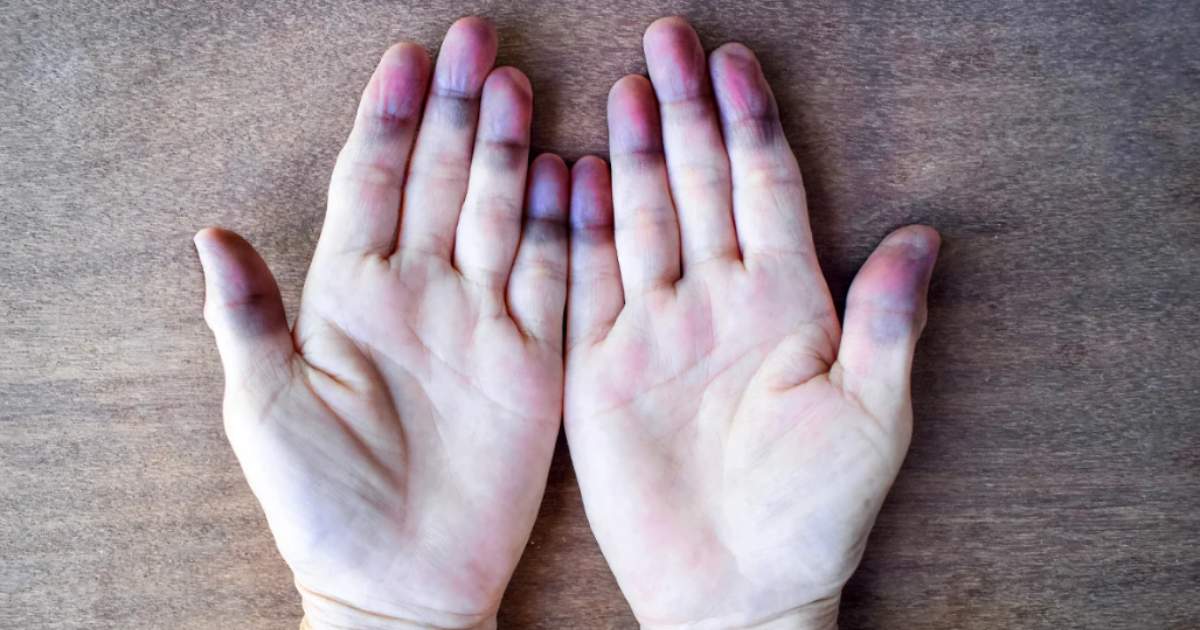
- Bluish lips or fingertips
- Snoring or gurgling sounds
- Pauses between breaths
- Shallow, slow, or absent breathing
If respiratory depression is suspected, immediate medical intervention is required. Administering naloxone (Narcan) can temporarily reverse opioid effects, but due to methadone’s long half-life, multiple doses may be needed until emergency services arrive.
Physical Indicators: Pinpoint Pupils, Sedation, and More
Methadone toxicity often presents with very specific physical signs that should not be ignored.
Gastrointestinal and Cardiovascular Red Flags
In addition to respiratory depression, some of the most telling methadone overdose symptoms include:
- Pinpoint Pupils. One of the hallmark signs of opioid toxicity. This symptom is due to the drug’s effect on the autonomic nervous system.
- Extreme Sedation. Individuals may be difficult to awaken, confused, or entirely unresponsive.
- Nausea And Vomiting. While not as life-threatening as respiratory issues, this may signal the body’s attempt to purge excess toxins.
- Low Blood Pressure (Hypotension). This can lead to dizziness, fainting, or shock, especially in combination with respiratory compromise.
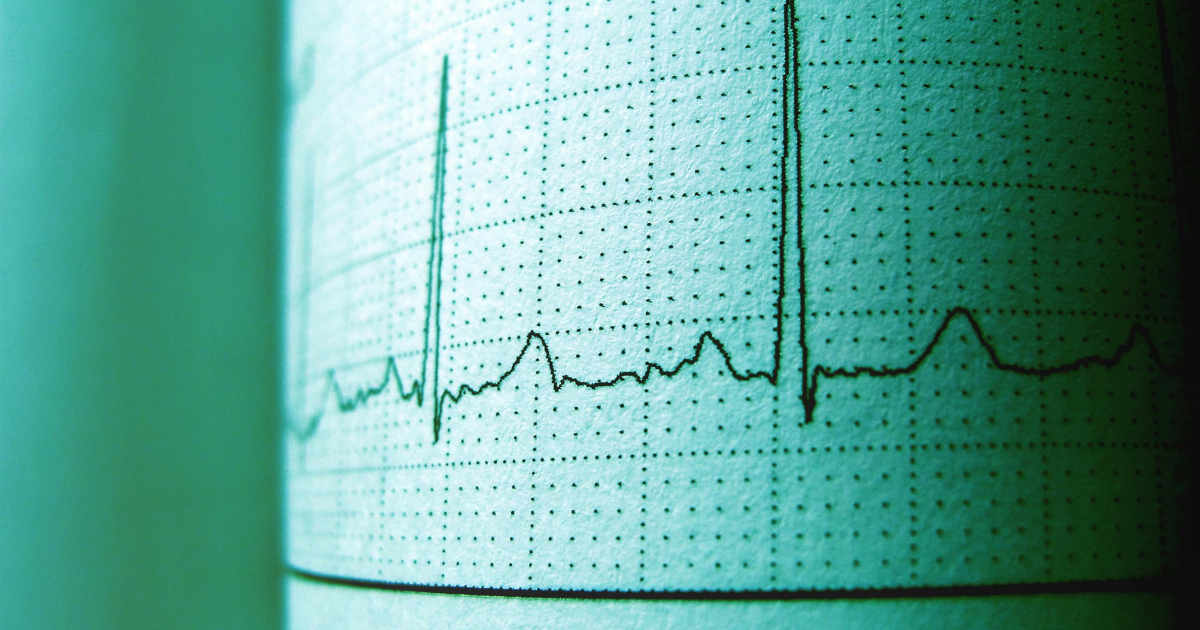
- Cardiac Arrhythmia. Irregular heartbeats may occur, especially in those with pre-existing heart conditions or electrolyte imbalances.
Here’s a quick overview of symptom types in bullet form:
- Neurological. Drowsiness, confusion, unresponsiveness
- Ocular. Pinpoint pupils
- Respiratory. Slow or stopped breathing, cyanosis (bluish skin)
- Gastrointestinal. Nausea, vomiting
- Cardiovascular. Low blood pressure, irregular heartbeat
The complexity of these symptoms underscores why methadone overdose requires more than a “wait and see” approach.
Prevention and Emergency Response Strategies
Preventing methadone toxicity begins with careful monitoring, education, and proper dosing. Because methadone accumulates in fat tissue and is metabolized slowly, even a modest increase in dosage can be dangerous without a clinician’s oversight.
Emergency strategies include:
- Have Naloxone On Hand. Naloxone is available without a prescription in many states. It can reverse the immediate effects of methadone overdose but often requires repeated dosing.
- Call 911 Immediately. Even if the person becomes responsive after naloxone, methadone’s effects may re-emerge after the antidote wears off.
- Don’t Leave The Individual Alone. Stay with them until help arrives, and keep them lying on their side to prevent choking if vomiting occurs.
- Avoid Combining Methadone With Other Depressants. Alcohol, benzodiazepines, and certain antidepressants dramatically increase overdose risk.
Read the complete Harm Reduction Coalition’s guide on preventing opioid overdose.
Learn More About Methadone Overdose Symptoms for Timely Intervention at Opus Health
At Opus Health, we understand how frightening and confusing methadone overdose symptoms can be. Our expert team offers comprehensive care, education, and support tailored to those struggling with opioid dependency.
From safe detoxification to ongoing counseling and relapse prevention, we are committed to helping clients and their families navigate every step of the recovery process. If you or a loved one is showing signs of methadone toxicity or is at risk of overdose, do not wait.
The right intervention can save a life and change its course. Contact Opus Health to speak with a professional and start the journey toward recovery.
FAQs
- What are the common symptoms of methadone toxicity and how do they differ from other opioid overdose signs?
Methadone toxicity typically includes respiratory depression, sedation, pinpoint pupils, and irregular heartbeat. Unlike other opioids, methadone’s effects are prolonged and may appear hours after ingestion.
- How can respiratory depression signal a methadone overdose and what immediate actions should be taken?
Slowed or shallow breathing is a critical warning sign. Administer naloxone and call 911 immediately delayed care can be fatal due to methadone’s long-lasting effects.
- Why do pinpoint pupils occur during methadone overdose, and what do they indicate about opioid toxicity?
Pinpoint pupils are a result of opioid-induced inhibition of the brainstem. This symptom signals central nervous system depression and is often used as a diagnostic clue for opioid toxicity.
- What role does sedation play in identifying methadone toxicity and how is it different from general opioid overdose symptoms?
Sedation from methadone can become dangerously deep due to the drug’s long half-life. This makes it harder to reverse and more likely to lead to complications without intervention.
- How do low blood pressure and cardiac arrhythmia contribute to the diagnosis of methadone overdose?
These cardiovascular symptoms indicate systemic toxicity. Combined with respiratory depression, they confirm that the body’s critical systems are shutting down due to overdose.