Skip to content

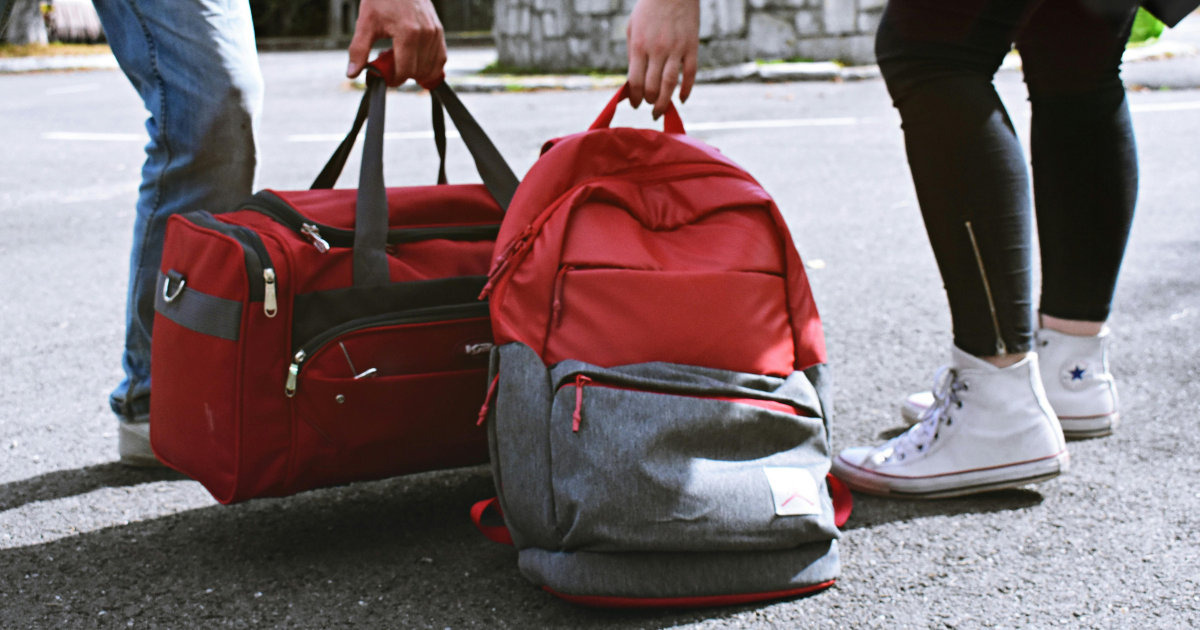
Preparing for rehab is a courageous and pivotal step toward recovery, but it can also feel overwhelming especially when it comes to knowing what to pack. Whether you’re entering a short-term residential treatment center or a long-term rehab program, having the right items with you can enhance your comfort, promote healing, and support your overall journey. This guide will walk you through the essential items to include in your packing list for rehab, ensuring you arrive feeling prepared, both physically and mentally.
Understanding the Purpose of a Rehab Packing List
A rehab packing list serves more than just convenience it helps create a familiar and supportive environment during your stay. It minimizes the mental load during an already emotional transition and ensures you have everything necessary for successful therapy and recovery. From clothes to rehabilitation equipment, the right gear can influence how well you adapt and engage in your recovery process.
Planning Ahead: What Patients Should Know Before Packing
Before you start tossing things into a suitcase, take time to check the facility’s packing guidelines. Rehab centers like Opus Health may have specific rules about what is allowed and what is prohibited. Items such as electronics, certain medications, or toiletries containing alcohol might be restricted. Consider weather conditions, your length of stay, and personal needs.
Also, if you’re participating in physical therapy, you’ll need more than just casual clothes—you’ll need gear that supports movement and flexibility. Add to that any therapy supplies or healing aids that might be recommended by your care provider. Preparation isn’t just about packing; it’s about setting the tone for your recovery.
Clothing and Personal Care Essentials for Rehab
When selecting clothes for rehab, think “comfortable, modest, and practical.” Bring enough clothing for at least a week, and opt for layers. Mornings and evenings can be chilly even in warmer climates, and layering gives you flexibility without needing excess clothing.
Personal hygiene is also vital for emotional well-being. Include alcohol-free toiletries, unscented products if you’re sharing space, and grooming tools that comply with rehab regulations. It’s also smart to bring your own towel, flip-flops for the shower, and a laundry bag for dirty clothes.
Physical Therapy Essentials and Recovery Tools
Many rehab programs incorporate physical therapy into treatment, particularly for those recovering from injuries, chronic pain, or substance-induced physical impairments. Being prepared with the right recovery tools can make your rehab experience more effective.

Common Rehabilitation Equipment and Therapy Supplies
Here’s a table outlining frequently recommended rehabilitation equipment and therapy supplies that may support your recovery:
| Item | Purpose | Notes |
| Resistance Bands | Improve muscle strength and flexibility | Lightweight and portable |
| Foam Roller | Reduces muscle tension, aids recovery | Ideal for stretching and soreness relief |
| Hot/Cold Packs | Manage pain and inflammation | Choose reusable packs for convenience |
| Yoga Mat | Groundwork for stretches or guided meditation | Non-slip recommended |
| Tennis Ball/Lacrosse Ball | Targeted muscle massage | Helps release tight fascia |
| Therapy Putty | Hand and grip strength exercises | Often used in occupational therapy |
| TENS Unit (if permitted) | Electrical stimulation for pain relief | Should be approved by the care provider |
While not all items are needed or permitted at every facility, check with your assigned therapist at Opus Health for personalized recommendations.
Healing Aids and Therapeutic Devices
Healing aids and therapeutic devices aren’t just for physical ailments—they can also support mental and emotional healing. For example, sleep aids like weighted blankets or white noise machines can help you maintain consistent rest, which is crucial in early recovery.
Therapeutic devices such as light therapy lamps may help stabilize mood, especially for patients dealing with co-occurring disorders like depression or seasonal affective disorder. Braces or wraps for joints, orthopedic pillows, and postural correctors can assist those undergoing physical rehabilitation.
According to National Library of Medicine, certain non-pharmacological tools like sensory aids and ergonomic devices can greatly enhance the comfort and outcomes of rehabilitation when used in tandem with professional therapy.
Comfort and Emotional Support Items
Rehab is not only a physical journey—it’s emotional. Comfort items can make the environment feel more familiar, helping to reduce anxiety and improve your engagement in therapy. While facilities often provide the basics, small personal touches go a long way.
- A personal journal or sketchpad for expression and reflection.
- A favorite book or spiritual/recovery literature.
- A photo of loved ones.
- A cozy blanket or small pillow (check if allowed).
- Stress-relief items like fidget toys or stress balls.
- Meditation apps pre-downloaded on a device (if permitted).
Each item can serve as a gentle reminder of your purpose, goals, and connection to life outside of treatment.
Patient Recovery Items to Help Stay on Track at Opus Health
At Opus Health, recovery isn’t one-size-fits-all. Patients benefit from an integrated approach, where patient recovery items are tailored to individual needs. From group sessions to therapy supplies and wellness resources, the program is designed to support healing on every level.
Items like goal-tracking notebooks, hydration bottles, and fitness-friendly attire are not only practical—they reinforce habits that carry into post-rehab life. Tools such as aromatherapy rollers or digital planners may also help maintain focus and relaxation during therapy-intensive days.
And don’t underestimate the importance of having a watch, a reusable water bottle, and headphones (if permitted)—small items that support structure, mindfulness, and self-care.
Need help creating a personalized packing list for rehab that suits your treatment plan? Contact Opus Health today. Our experienced team is here to guide you before, during, and after treatment. Let’s take the first step together toward a better, healthier future.
FAQs
- What physical therapy essentials should be included in a rehab packing list for optimal recovery?
Physical therapy essentials may include resistance bands, a yoga mat, foam rollers, and supportive athletic wear. These items support movement, pain relief, and flexibility during recovery.
- How do rehabilitation equipment and therapy supplies contribute to effective healing?
They promote physical strength, reduce pain, and improve function. Items like TENS units, hot/cold packs, and therapy putty help patients recover more comfortably and effectively.
- What are the must-have recovery essentials for patients undergoing therapy?
Essential items include supportive clothing, hygiene products, therapy tools like foam rollers, and emotional comfort items like a journal or relaxation aids.
- How can rehab tools and therapeutic devices aid in patient recovery?
These devices help manage symptoms, support healing, and enhance therapeutic exercises. They also encourage self-care habits that support long-term well-being.
- What healing aids are recommended for a comprehensive rehab packing list?
Healing aids can include orthopedic pillows, weighted blankets, sleep masks, and sensory tools—all of which contribute to physical comfort and emotional balance.