Skip to content





Key Takeaways
- “Cocaine eyes” describes the visible eye changes—most notably enlarged pupils—that can appear when someone uses cocaine.
- Dilated pupils from drug use are one of the most reliable physical signs of cocaine use, driven by the drug’s effect on the nervous system.
- Beyond dilation, users may show bloodshot eyes, light sensitivity, and rapid eye movements.
- These stimulant-related eye changes are usually temporary but can signal a serious substance use problem.
- Recognizing the warning signs early makes it easier to step in and connect a loved one with professional treatment.
If you have ever noticed someone’s pupils looking unusually large or their eyes appearing red and glassy, you may have witnessed what many people call “cocaine eyes.” This phrase refers to a cluster of visible eye changes that often accompany stimulant use. While no single symptom proves that a person is using drugs, the eyes can offer some of the clearest and earliest clues. Understanding how cocaine affects the eyes helps families, friends, and coworkers recognize when something may be wrong. This guide explains what cocaine eyes are, why they happen, and how to recognize the signs so you can respond with care and, when needed, seek help.
What Are Cocaine Eyes
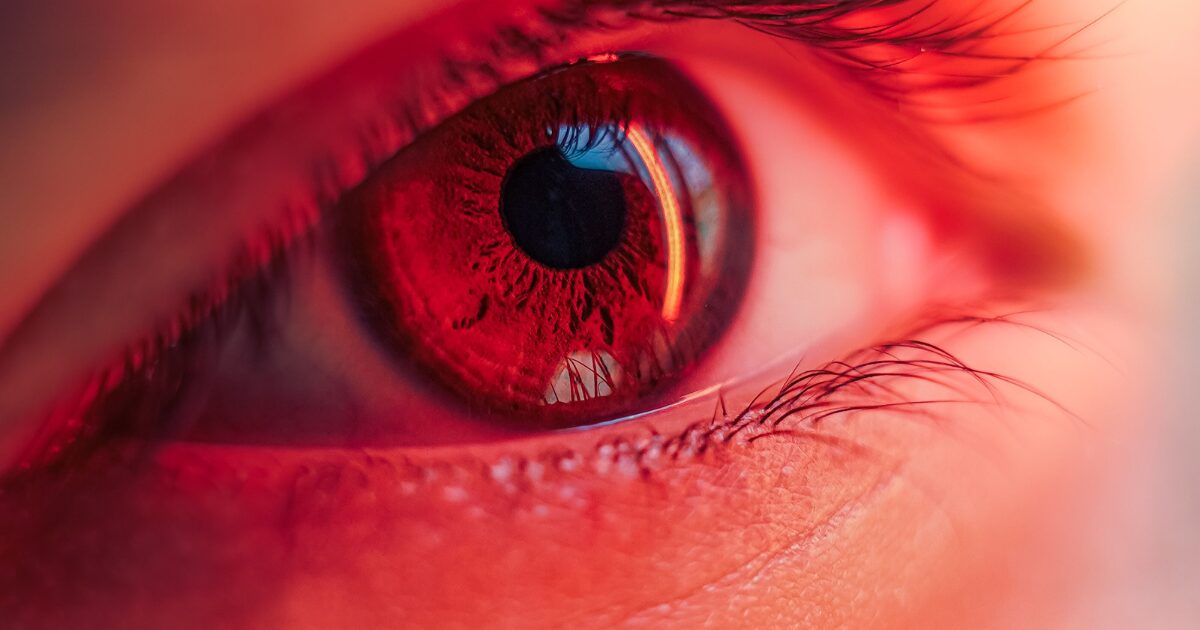
“Cocaine eyes” is an informal term for the noticeable changes in eye appearance that can occur during and shortly after cocaine use. The most recognizable feature is significant pupil dilation, but the term also covers redness, glassiness, and subtle shifts in how the eyes move and respond to light. Because these changes are often visible to others, they frequently become one of the first cocaine use warning signs that loved ones notice. Cocaine is a powerful stimulant, and its effects on the body—including the eyes—reflect the way it overstimulates the nervous system.
The Physical Impact of Stimulants on Eye Appearance
Stimulants like cocaine push the body into a heightened, “fight-or-flight” state. This surge of activity affects many systems at once, and the eyes are no exception. During use, a person’s pupils may widen dramatically, the whites of the eyes can appear red or bloodshot, and the eyes may look unusually bright, watery, or glassy. Some people also blink rapidly or seem sensitive to normal indoor lighting. These stimulant-related eye changes tend to appear together, creating the distinctive look that gives “cocaine eyes” its name. Recognizing this combination is often more telling than any single symptom on its own.
Why Pupils React to This Substance
Pupil size is controlled by tiny muscles in the iris, which respond to signals from the autonomic nervous system. Cocaine blocks the reuptake of norepinephrine, a chemical messenger tied to the body’s stress response. With more norepinephrine active in the system, the iris dilator muscle contracts and pulls the pupil open. That is why pupil dilation and drug abuse are so closely linked in stimulant users. The reaction is largely automatic—the person cannot control it—which is part of what makes dilated pupils such a useful, if not definitive, indicator.
Physical Signs of Cocaine Use Visible in the Eyes
The eyes can reveal several physical signs of cocaine use at once. Enlarged pupils are usually the standout feature, but observers may also notice redness, excessive tearing, a glassy or “far-away” look, and quick, darting eye movements. In brighter settings, the difference is especially striking, since dilated pupils normally shrink in light but may stay wide during stimulant use. Taken together, these signs can help distinguish drug-related changes from ordinary variations in eye appearance.
Extreme Pupil Dilation as a Primary Indicator
Of all the eye-related clues, dramatic pupil dilation is the most consistent. Under normal conditions, pupils adjust to light—narrowing in bright rooms and widening in the dark. When someone is under the influence of cocaine, the pupils may remain noticeably enlarged even in well-lit environments, sometimes described as looking “all black.” This exaggerated dilation from drug use is a hallmark of stimulant intoxication. That said, it is not proof on its own, since medications, hallucinogens, anxiety, and low light can also enlarge pupils. Context and additional warning signs matter when interpreting what you see.
How Cocaine Affects the Eyes Beyond Dilation
While enlarged pupils get the most attention, they are only part of the picture. Understanding how cocaine affects the eyes more broadly can sharpen your ability to recognize a problem. Cocaine’s impact on blood vessels, tear production, and even the surface of the eye can produce changes that go beyond a simple change in pupil size.
Bloodshot or Red Appearance and Vascular Changes
Cocaine narrows blood vessels throughout the body, and this vascular activity can leave the eyes looking red, irritated, or bloodshot. The link between bloodshot eyes and substance abuse is well known, though redness alone has many innocent causes, from allergies to lack of sleep. In people who smoke crack cocaine, heat and smoke can further irritate the surface of the eye, sometimes causing burning, watering, or blurred vision. Over time, repeated exposure and disrupted blood flow may contribute to more lasting eye discomfort or damage. When red eyes appear alongside dilated pupils and other warning signs, the combination is more concerning than any symptom by itself.
Recognizing Cocaine Intoxication Symptoms Through Eye Observations
The eyes are a valuable starting point, but recognizing cocaine intoxication symptoms means looking at the whole person. Alongside enlarged pupils and redness, someone under the influence may seem unusually energetic, talkative, restless, or on edge. They might sweat, have a racing heartbeat, or move and speak more quickly than usual. Observing the eyes in the context of behavior gives a fuller, more accurate impression.
Duration and Intensity of Ocular Changes
How long cocaine eyes last depends on the dose, how the drug was taken, and the individual. Cocaine’s most intense effects are relatively brief, often lasting from several minutes to about an hour, with pupils potentially staying dilated for a few hours as the drug clears the system. During peak intoxication, the changes tend to be most pronounced, then gradually fade. Because the timeline is short, catching these signs often requires being present soon after use. Repeated cycles of dilation and redness over time can be a pattern worth paying attention to.
Other Stimulant-Related Eye Changes and Warning Signs
Cocaine is not the only substance that alters the eyes, and knowing the broader picture helps you interpret what you see. Other stimulants—such as methamphetamine, amphetamines like Adderall, and MDMA—can also cause pronounced pupil dilation and related changes. Hallucinogens like LSD produce similar effects. In contrast, opioids typically cause pinpoint (very small) pupils, which is the opposite of the stimulant pattern. Beyond the eyes, broader cocaine use warning signs include mood swings, secrecy, financial trouble, weight loss, nosebleeds or frequent sniffing (with snorting), disrupted sleep, and neglected responsibilities. No single sign is conclusive, but a cluster of physical, behavioral, and emotional changes together paints a clearer and more urgent picture.
Begin Recovery With Opus Health
Noticing cocaine eyes or other warning signs in someone you love can be frightening—but it can also be the moment that leads to help. Cocaine use disorder is a treatable condition, and early support makes a real difference. At Opus Health, compassionate professionals provide personalized, evidence-based care to help individuals safely stop using and rebuild a healthy life. Whether you are worried about yourself or someone close to you, you do not have to face it alone. Reach out to Opus Health today to talk through your concerns, learn about treatment options, and take the first step toward recovery.

FAQs
-
How long do cocaine eyes remain dilated after use?
Pupil dilation usually lasts as long as the drug is active in the body—often a few minutes to an hour of peak effect, with pupils potentially staying enlarged for several hours afterward. The exact timing depends on the amount used, how it was taken, and the person’s metabolism.
-
Can bloodshot eyes and substance abuse be linked to stimulants other than cocaine?
Yes. Red or bloodshot eyes can accompany many substances, including methamphetamine, amphetamines, MDMA, and cannabis. Because redness has many everyday causes too, it is most meaningful when paired with other physical and behavioral warning signs.
-
What are the most reliable physical signs of cocaine use visible in someone’s face?
The most telling facial signs include noticeably dilated pupils, red or glassy eyes, rapid speech and jaw movement, sweating, and frequent sniffing or nosebleeds in people who snort the drug. A combination of signs is far more reliable than any one on its own.
-
Why does pupil dilation and drug abuse occur together so frequently?
Many drugs of abuse disrupt the autonomic nervous system, which controls pupil size. Stimulants and hallucinogens over-activate the body’s stress response, causing the iris muscles to widen the pupils—so dilation is a common, visible side effect of these substances.
-
Are stimulant-related eye changes reversible after stopping use?
The temporary eye changes from a single episode—like dilation and redness—typically resolve once the drug leaves the system. However, long-term or heavy use can contribute to more lasting eye and vascular problems, which is one more reason to seek help early.
References
- National Institute on Drug Abuse (NIDA) – Cocaine.
- Cleveland Clinic – Dilated Pupils (Mydriasis): Causes and What It Looks Like.
- Richards JR, Le JK. Cocaine Toxicity. StatPearls, NCBI Bookshelf (National Library of Medicine).
- Kim ST, Park T. Acute and Chronic Effects of Cocaine on Cardiovascular Health. PMC (National Library of Medicine).