Skip to content




It’s in your medicine cabinet, your gym bag, and probably your desk drawer – but do you know what you’re actually taking when you reach for the L484 pill? This common white tablet is one of the most consumed medications in the United States, and its familiarity has made people dangerously casual about how they use it. Understanding the L484 pill – what it is, how much is too much, and what happens when things go wrong – is genuinely important for your safety.
What Is the L484 Pill?
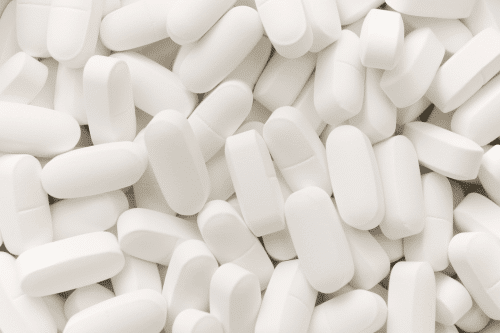
The L484 pill is acetaminophen 500 mg. The imprint “L484” is a manufacturer identifier – associated primarily with Perrigo Company’s generic production. It’s a white, oblong tablet and one of the most widely available OTC analgesics in the country.
Acetaminophen is the active ingredient in dozens of products beyond plain tablets, including NyQuil, Tylenol PM, Excedrin, and most prescription opioid combination medications like hydrocodone/acetaminophen (Vicodin) and oxycodone/acetaminophen (Percocet). This widespread presence across product categories is precisely why accidental overdose is so common – people take the L484 pill and then a nighttime cold medication, not realizing both contain acetaminophen.
L484 Pill vs. Tylenol vs. Paracetamol: Are They the Same?
Yes. The L484 pill, Extra Strength Tylenol, and paracetamol (the name used outside North America) are all acetaminophen 500 mg. FDA bioequivalence requirements ensure that the generic L484 tablet performs identically to the brand-name product in terms of how quickly it absorbs and how effectively it works.
Product | Active Ingredient | Dose | Cost Per Tablet |
L484 (generic) | Acetaminophen | 500 mg | $0.02-0.04 |
Extra Strength Tylenol | Acetaminophen | 500 mg | $0.15-0.22 |
Paracetamol (intl.) | Acetaminophen | 500 mg | Varies |
The only differences are inactive ingredients – the binders, coatings, and fillers that hold the tablet together. For nearly everyone, the generic L484 pill is functionally identical to Tylenol at a fraction of the cost.
Acetaminophen Overdose: Risks, Timeline, and Emergency Action
This is the part most people need to know and fewer actually do. Acetaminophen overdose is the leading cause of acute liver failure in the United States. According to the National Institutes of Health (NIH), acetaminophen toxicity accounts for approximately 56,000 emergency room visits and over 450 deaths annually in the U.S.
The insidious quality of acetaminophen overdose is its delayed symptom onset. You can take a toxic dose and feel nearly normal for the first 24 hours. By the time symptoms become apparent – usually 24 to 72 hours post-ingestion – serious liver damage may already be underway.
Phase | Timeframe | Symptoms |
Phase 1 | 0-24 hours | Nausea, vomiting, malaise – or none at all |
Phase 2 | 24-72 hours | Right upper abdominal pain, elevated liver enzymes |
Phase 3 | 72-96 hours | Peak liver toxicity, jaundice, possible liver failure |
Phase 4 | 4+ days | Recovery or progression to organ failure |
The toxic threshold for adults is generally cited at more than 4 grams per day for healthy adults, but this drops significantly for people who drink alcohol regularly, have liver disease, or are malnourished. The antidote for acetaminophen overdose is N-acetylcysteine (NAC), but it has a critical time window – when administered within 8 to 10 hours of ingestion, it’s highly effective. After 24 hours, its effectiveness drops considerably.
If you suspect an overdose, call Poison Control at 1-800-222-1222 immediately or go to an emergency room. Do not wait for symptoms to appear.
L484 Pill Drug Interactions to Know
Acetaminophen has fewer drug interactions than NSAIDs, but the ones it does have are clinically significant. Warfarin (Coumadin) is the most important – regular acetaminophen use can enhance warfarin’s blood-thinning effect, increasing bleeding risk even at doses within the recommended range.
Alcohol is the other critical interaction. Both alcohol and acetaminophen are processed primarily by the liver. Chronic alcohol use induces liver enzymes that convert acetaminophen into its toxic metabolite (NAPQI) at a higher rate, increasing hepatotoxicity risk even at otherwise acceptable doses.
Hidden double-dosing is the most common way people accidentally overdose on acetaminophen. When you take the L484 pill alongside any combination product containing acetaminophen – NyQuil, DayQuil, many prescription pain medications – you may unknowingly exceed the safe daily limit. Always check the active ingredients of every medication you’re taking simultaneously.
L484 Pill vs. Ibuprofen (I-2 Pill): Which Should You Choose?
Acetaminophen and ibuprofen relieve pain through completely different mechanisms, which makes them appropriate for different situations. This isn’t a competition – it’s a question of matching the right tool to the right job.
Condition | Better Choice | Reason |
Headache | Either | Both effective; acetaminophen easier on stomach |
Fever | Either | Both reduce fever effectively |
Muscle soreness / injury | Ibuprofen | Anti-inflammatory action targets the cause |
Arthritis | Ibuprofen (short-term) | Inflammation drives arthritis pain |
GI sensitivity | Acetaminophen | Doesn’t irritate stomach lining |
Liver concerns | Ibuprofen | Acetaminophen is hepatotoxic at excess doses |
For straightforward pain without significant inflammation, acetaminophen is often the gentler choice. When inflammation is the driver – as with arthritis, sports injuries, or dental pain – ibuprofen’s anti-inflammatory mechanism makes it more effective. Neither is universally superior; the right choice depends on what’s causing the pain.
Safe Disposal and Storage of Acetaminophen
Proper storage matters more for acetaminophen than most medicine cabinet habits reflect. Heat and moisture accelerate degradation – which is ironic given how commonly people store medications in bathroom cabinets exposed to shower steam. Store the L484 pill and all acetaminophen products in a cool, dry location away from direct light and heat.
For disposal, the FDA recommends mixing unused tablets with an undesirable substance like coffee grounds in a sealed bag and disposing of them in household trash, or using an authorized take-back program. Child-resistant packaging exists for good reason – acetaminophen overdose is one of the most common causes of pediatric poisoning in the United States. If chronic pain is driving increasing medication use, Opus Health can help. Connect with us at opustreatment.com for a confidential conversation.
Frequently Asked Questions
Is the L484 pill the same as Tylenol?
Yes. Both contain acetaminophen 500 mg as the active ingredient. The L484 pill is a generic version that meets FDA bioequivalence requirements, meaning it absorbs and works identically to Extra Strength Tylenol at a significantly lower cost.
What is the maximum safe daily dose of the L484 pill?
For healthy adults, the OTC maximum is 4,000 mg per day – eight 500 mg tablets – taken in divided doses no closer than every four to six hours. People who drink regularly or have liver concerns should stay below 2,000 mg per day and discuss even that limit with a physician.
Can I take the L484 pill with alcohol?
It’s not recommended. Alcohol and acetaminophen both stress the liver, and chronic alcohol use increases the rate at which acetaminophen is converted to its toxic metabolite. People who drink more than three alcoholic beverages daily should avoid regular acetaminophen use.
Is the L484 pill a narcotic or opioid?
No. Acetaminophen is a non-opioid, non-narcotic analgesic. It does not bind to opioid receptors and does not carry addiction risk in the way opioid medications do. However, it is present in many prescription opioid combination medications, which is why monitoring total acetaminophen intake matters for people on those prescriptions.
What happens if someone takes too much acetaminophen?
Overdose can cause irreversible liver damage, and symptoms may not appear for 24 to 72 hours after ingestion. If overdose is suspected, call Poison Control at 1-800-222-1222 or go to an emergency room immediately. Do not wait for symptoms to develop – the treatment window is time-critical.