Skip to content




You’ve probably had an I-2 pill in your medicine cabinet without knowing exactly what it was. It’s one of the most common over-the-counter pain relievers in the country – but being common doesn’t mean it’s risk-free. Understanding what the I-2 pill actually is, how to use it correctly, and when it becomes dangerous could save you from a serious and entirely preventable health outcome.
What Is the I-2 Pill?
The I-2 pill is ibuprofen 200 mg – a nonsteroidal anti-inflammatory drug (NSAID) used to relieve mild to moderate pain, reduce inflammation, and lower fever. It’s manufactured by various companies under generic labels and sold under major brand names including Advil and Motrin. The imprint “I-2” identifies the tablet as the 200 mg generic version, bioequivalent to those branded products. Ibuprofen works by inhibiting the enzymes (COX-1 and COX-2) responsible for producing prostaglandins – compounds that promote inflammation, pain, and fever.
I-2 Pill Identification: White, Orange, and Red Variants
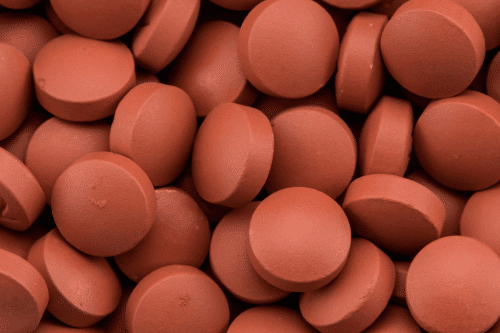
If you’ve seen I-2 tablets in different colors and wondered whether they’re the same thing, the answer is yes. Color variation reflects different manufacturers, not different formulations or strengths. White, orange, and red I-2 tablets all contain ibuprofen 200 mg as the active ingredient. What differs are the inactive ingredients – coatings, dyes, and fillers that manufacturers use.
An orange tablet may contain FD&C Yellow No. 6 dye, which matters if you have known sensitivities to certain colorants. If you want to verify a tablet’s identity, the FDA’s pill identifier tool at pillbox.nlm.nih.gov allows searches by imprint, color, and shape and cross-references against drug databases.
I-2 Pill vs. Advil vs. Motrin: What’s the Difference?
Pharmacists answer this question constantly: is the I-2 pill really the same as Advil? Yes. All three contain ibuprofen, and the FDA’s bioequivalence standard ensures that generic versions perform identically to branded ones in terms of absorption, peak concentration, and effectiveness.
Product | Active Ingredient | Dose | Price (approx.) |
I-2 Generic | Ibuprofen | 200 mg | $0.02-0.05/tablet |
Advil | Ibuprofen | 200 mg | $0.12-0.18/tablet |
Motrin IB | Ibuprofen | 200 mg | $0.10-0.16/tablet |
The only meaningful differences are inactive ingredients and price. For the vast majority of people, the generic I-2 tablet is the best value. If you have documented allergies to specific dyes or fillers, checking the inactive ingredient list before switching brands is worth the extra minute.
Drug Interactions to Know Before Taking Ibuprofen
Ibuprofen interacts with a significant number of medications, and several of these interactions are clinically serious. These aren’t rare edge cases – they involve medications that millions of Americans take daily.
Blood thinners like warfarin (Coumadin) interact directly with ibuprofen. NSAIDs inhibit platelet function and can also displace warfarin from protein binding sites, increasing bleeding risk. If you’re on warfarin or any anticoagulant, talk to your pharmacist before reaching for any NSAID.
Blood pressure medications – particularly ACE inhibitors like lisinopril and ARBs like losartan – have reduced effectiveness when taken alongside NSAIDs. Ibuprofen causes the kidneys to retain sodium and water, which works against the antihypertensive effect and can also strain kidney function.
Taking multiple NSAIDs simultaneously – for instance, ibuprofen and naproxen – doubles gastrointestinal risk without providing additional pain relief. Many people don’t realize that aspirin is also an NSAID, and taking low-dose aspirin daily alongside ibuprofen can significantly increase bleeding risk. Alcohol combined with ibuprofen substantially raises the risk of GI bleeding and ulcer formation.
Long-Term Ibuprofen Use: Kidney, Heart, and GI Risks
The I-2 pill is designed for short-term use. Using it regularly for weeks or months introduces risks that occasional users never need to think about – but chronic pain sufferers often don’t realize they’ve crossed into medically significant territory.
Kidney damage is a real risk with chronic NSAID use. NSAIDs reduce blood flow to the kidneys by inhibiting prostaglandins that help maintain renal perfusion. The American Heart Association has highlighted cardiovascular risk from chronic NSAID use as well, particularly in people with existing heart disease – NSAIDs can increase blood pressure, promote fluid retention, and raise the risk of heart attack and stroke.
Gastrointestinal bleeding is perhaps the most well-recognized long-term risk. NSAIDs can damage the stomach lining by inhibiting the prostaglandins that maintain its protective mucus layer. Medication Overuse Headache (MOH) is another underrecognized consequence – people who take ibuprofen frequently for headaches may find their headaches actually become more frequent over time as a rebound effect.
When to See a Doctor and Safer Alternatives
If you’re reaching for the I-2 pill more than a few times per week, or if it’s no longer providing adequate relief, those are signs worth discussing with a healthcare provider rather than simply taking more.
Warning signs that warrant urgent medical attention include black or tarry stools, vomiting blood or material that looks like coffee grounds, severe stomach pain, swelling in the hands or feet, chest pain, or significantly reduced urination. These can indicate GI bleeding or cardiovascular and kidney complications.
For people who need anti-inflammatory effects but have GI sensitivity, topical NSAIDs like diclofenac gel provide localized relief with significantly reduced systemic risk. Acetaminophen is a reasonable alternative for pure pain relief when inflammation isn’t the primary issue. Physical therapy addresses musculoskeletal pain at the source rather than masking it. If ibuprofen use has become intertwined with substance use concerns, Opus Health can help you find a better path. Reach out at opustreatment.com for a confidential conversation.
Frequently Asked Questions
What is the I-2 pill and what does it contain?
The I-2 pill is ibuprofen 200 mg, an over-the-counter NSAID used for mild to moderate pain, inflammation, and fever relief. It’s bioequivalent to brand-name products like Advil and Motrin and works through the same mechanism at the same dose.
What is the maximum daily dose of the I-2 pill for adults?
The OTC maximum is 1,200 mg per day – six 200 mg tablets – for adults without physician guidance. Under medical supervision, doses up to 3,200 mg per day may be prescribed for certain conditions. Don’t exceed the OTC limit without talking to your doctor first.
Can I take the I-2 pill with brand-name ibuprofen like Advil?
No. Taking any two ibuprofen-containing products together means you’re doubling your dose, which significantly increases the risk of serious side effects including GI bleeding and kidney stress. All ibuprofen products – regardless of brand – should be used exclusively of one another.
What are the signs of a serious ibuprofen side effect?
Seek emergency care immediately for black or tarry stools, vomiting blood, severe stomach or abdominal pain, chest pain, sudden shortness of breath, or significant swelling in the feet or legs. These can indicate gastrointestinal bleeding or cardiovascular complications.
Is the I-2 pill safe to take with alcohol?
No. Alcohol combined with ibuprofen substantially increases the risk of gastrointestinal bleeding and stomach ulcer formation. If you drink regularly, this combination deserves a direct conversation with your pharmacist or physician about safer pain management options.