Skip to content

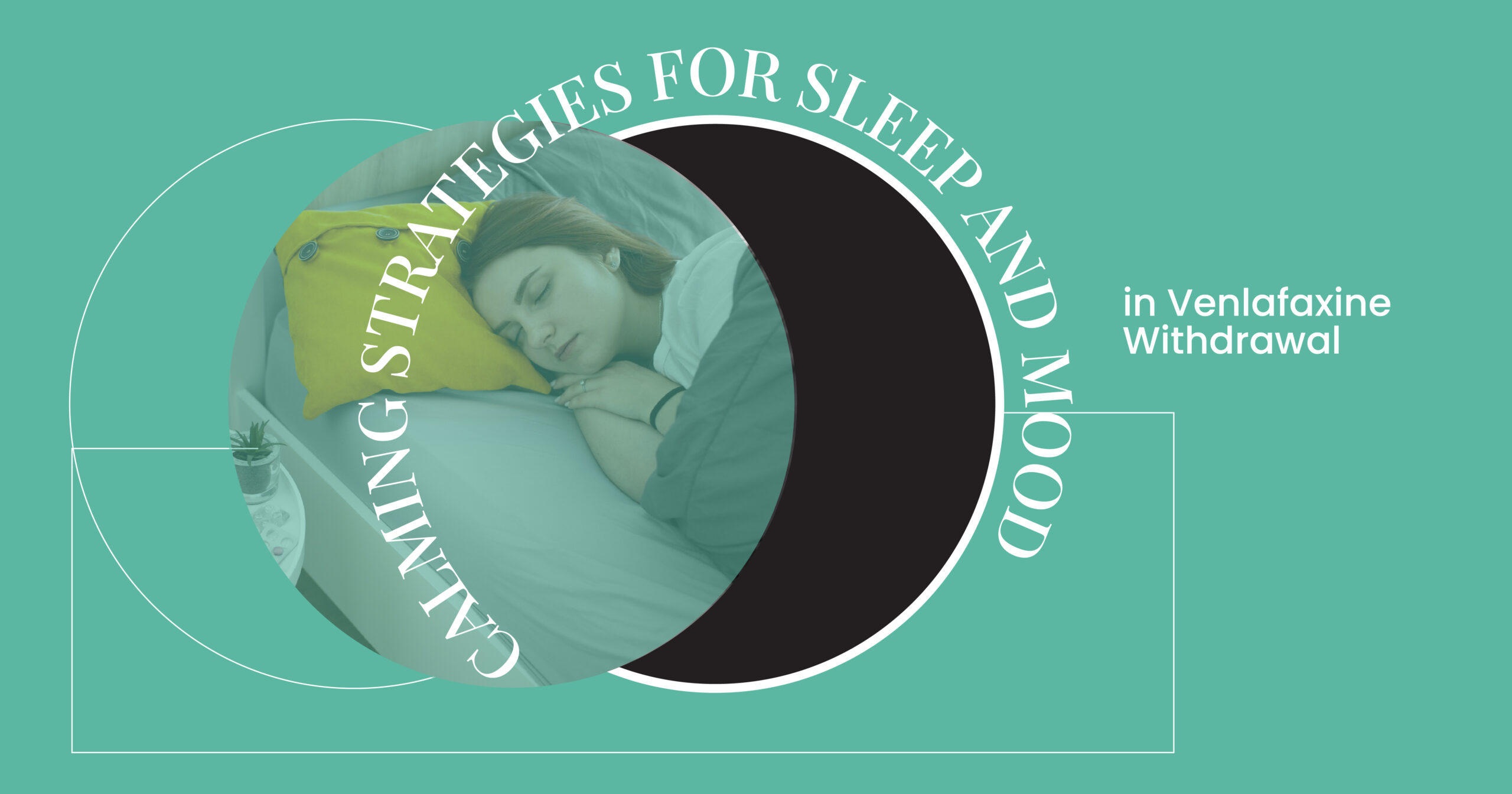
The process of venlafaxine withdrawal may be extremely difficult, particularly when sleep becomes disturbed, and moods are unpredictable. Some individuals who stop using this antidepressant experience a challenging journey of physical and emotional effect including insomnia, anxiety, fatigue, and mood fluctuations. The process can be worse, but having an understanding of what is happening with your body and applying the proper methods of calming can bring the feeling of balance and promote the healing process.
We have specialists at Opus Health who help individuals navigate this transition in an evidence-based and compassionate way. This guide explains how withdrawal can affect sleep and mood, what to expect in both the short and long term, and the most effective methods for finding relief and emotional stability.
Venlafaxine Withdrawal Overview and Factors That Influence Severity
Venlafaxine withdrawal, also known as Effexor withdrawal, occurs when one is accustomed to a low dose of the medicine through prolonged use. Since venlafaxine has an influence on the level of serotonin and norepinephrine, the abrupt cessation of its use may result in the overstimulation and imbalance of the nervous system.
The withdrawal differs in individuals and depends on many issues:
- Dosage and duration of use of the drug.
- The rate and design of the tapering.
- The metabolism and health of the individual.
- Chronic mental issues, anxiety, and depression.
These factors interact to determine how long venlafaxine withdrawal symptoms persist and how significantly they affect sleep, mood, and daily functioning.
Understanding the Role of Dosage and Duration of Use
Withdrawal is worse in patients who are receiving higher doses and long-term venlafaxine treatment. The prolonged use disrupts the proportions of the neurotransmitters and the degree of receptor sensitivity, and so, the acute withdrawal can lead to more severe reactions to it, like dizziness, insomnia, and emotional instability.

Smaller doses or time reductions may result in fewer withdrawal symptoms, but even small decreases may cause some temporary discomfort. The most effective and safest is an individualized tapering schedule where the whole process is controlled by a doctor.
Why Gradual Tapering Matters for a Safer Transition
Gradual tapering enables the brain to adjust to the decreased levels of serotonin and norepinephrine. The dosage is usually decreased in small doses over a period of weeks or months by doctors as per the reaction of the individual. This will assist in avoiding the shock that abrupt discontinuation may bring about.
Clinicians develop systematic tapering programs that are based on the medical history, mental health requirements, and lifestyle of a specific client. The process is underpinned by this strategy in promoting physical comfort as well as emotional stability.
Venlafaxine Withdrawal Symptoms and How They Affect Sleep and Mood
The frequent side effects of venlafaxine withdrawal are dizziness, brain zaps, fatigue, nausea, headache, and vivid dreams. On the emotional front, people tend to complain about a high level of anxiety, irritability, outbursts, and mood swings.
One of the most disruptive effects is sleep problems. Individuals can find it difficult to sleep, frequently awaken, or develop severe nightmares. These are disruptive as a result of the fact that serotonin, a neurotransmitter influenced by venlafaxine, has a significant contribution towards mood as well as sleep cycles.
The emotional impact may be great. With the changes in the levels of serotonin, anxiety can escalate, and irritability may become severe, so one cannot relax. In case of loss of sleep, the normal human capacity to restore the emotional self is affected, leading to a tough routine of fatigue and suffering.
PMC PubMed Central reported that the withdrawal of antidepressants such as venlafaxine usually results in symptoms such as dizziness, headache, sleep disorders, and mood swings.
Venlafaxine Withdrawal Timeline Phases from Acute to Post-Acute
Venlafaxine withdrawal is not a timetable that fits all individuals, but it normally occurs in stages. Others experience symptoms very quickly, as far as a few hours after a missed dose, while other individuals take days to experience the effects. The following table provides a rough schedule:
| Phase | Timeframe | Common Symptoms |
| Acute Phase | 1–14 days | Dizziness, nausea, headaches, fatigue, anxiety, brain zaps, sleep disturbances |
| Subacute Phase | 2–6 weeks | Emotional instability, irritability, vivid dreams, low energy, mood swings |
| Post-Acute Phase | 6 weeks–6 months (or more) | Residual anxiety, sensitivity to stress, mild sleep issues, and gradual emotional improvement |
Recognizing Early Physical Symptoms vs. Emotional Adjustments
The acute stage is dominated by the physical symptoms, e.g., dizziness or nausea. The symptoms reduce in severity, and emotional ones, like mood swings and loss of motivation, become more noticeable as time passes. The post-acute stage may be defined as periodic emotional distress, more so in stressful situations; however, with proper care, most individuals balance and recover over time.
Venlafaxine Withdrawal Relief for Insomnia, Anxiety, and Mood Swings
It is necessary to take care of the body and mind to treat venlafaxine withdrawal symptoms. Reestablishing the lost healthy sleep and emotional balance is quite a strenuous procedure that requires organization, patience, and sensitivity. Therapists and holistic practitioners will most likely employ cognitive-behavioral methods, relaxation, and supportive habits as a combination to reduce distress. A proper part of the recovery is frequent therapy sessions, mindfulness meditation, and nutrition.
Gentle Self-Soothing Techniques and Nighttime Rituals
The introduction of night rituals would assist the nervous system in relaxing and stimulate a more profound rest. The following are easy relaxation techniques that can help you sleep better and feel better during the withdrawal:
- Limit Screen Exposure. Switch off equipment at least an hour before sleep in order to minimize the blue light disturbance.
- Engage in Progressive Relaxation. Gradually tighten and relax muscles all through.
- Practice Deep breathing or meditation. Concentrated breathing triggers the parasympathetic system in order to stimulate relaxation.
- Use Sensory Comfort. A soothing environment can be made safe and calm by a weighted blanket, calming essential oils, or white noise.
- Avoid Caffeine And Alcohol. They both have the ability to exacerbate anxiety and sleep disorders.
The Sleep Foundation suggests that relaxation and habitual play major roles in restoring proper circadian rhythms in the course of taking medications.
When Symptoms Persist or Escalate and Safety Considerations
In case the venlafaxine withdrawal symptoms persist for months and even worsen with extreme cases of depression, suicidal feelings, or uncontrollable nervousness, it is essential to seek urgent medical attention. The symptoms can be a sign that the brain is not adjusting the neurotransmitters properly, or that some mental health issue is relapsing.
At Opus Health, the clients are offered 24/7 assistance, evidence-based treatment, and safe handling of medications that would help them cope with even the most challenging withdrawal process. No one needs to face prolonged distress alone.
Learn More Calming Strategies at Opus Health
Opus Health is a holistic program that accommodates the process of antidepressants such as venlafaxine tapering and mental and emotional health nurturing. Our group of medical workers and therapists cooperates and creates personal care programs based on sleep regulation, emotional regulation, and recovery in the long term.
We know that recovery is time-consuming, loving, and requires the correct equipment. Opus has you covered, whether you are starting your taper or struggling with side effects of withdrawal. We can assist you in going back to calm, rest, and resiliency. Call Opus Health now and start living a life with a normal mood and good sleep.

FAQs
What are some effective calming strategies for sleep during venlafaxine withdrawal?
Light yoga, mindfulness meditation, regular sleep patterns, and extensive breathing are very effective. These methods assist in reducing stress and relaxing the body towards a good sleep.
How long does the venlafaxine withdrawal timeline typically last, from acute to post-acute phases?
It normally takes a period of between a few weeks and a couple of months. The first two weeks cause the acute symptoms, whereas emotional recovery is carried out gradually.
What are common venlafaxine withdrawal symptoms that impact mood, and how can they be managed?
The common ones are irritability, anxiety, and mood swings. These are managed through structured therapy, relaxation exercises, and tapering done gradually under medical supervision.
What non-medication supports are available for managing sleep disturbances during venlafaxine withdrawal?
Rest can be greatly increased by cognitive-behavioral therapy, guided relaxation, lifestyle changes, including limiting caffeine and improving sleep hygiene. The quality of sleep can also be enhanced naturally through regular exercise, journaling before going to sleep, and ensuring that the bedroom environment is comfortable.
When should someone consider seeking help if venlafaxine withdrawal symptoms persist or escalate?
When the symptoms extend to over two months and the experience is very emotional or suicidal, then what is required is professional help as soon as possible. Complications can be avoided, emotional support can be offered, and the withdrawal process will be safer and easily controlled through early intervention.