Skip to content





The relationship between alcohol and the brain has long been a subject of concern. Many people wonder: Does alcohol kill brain cells every time you drink? This common question reflects widespread worry about the alcohol consumption impact on long-term cognitive health.
Understanding the true alcohol effects on brain function helps separate myth from scientific reality. While alcohol doesn’t literally kill brain cells with each drink as once believed, it does cause significant brain cell damage through various mechanisms, affecting drinking and brain health over time.
Does Alcohol Kill Brain Cells Every Time You Drink?
The short answer is no, alcohol doesn’t kill brain cells every time you drink. However, this doesn’t mean alcohol is harmless to the brain.
Alcohol causes damage through several mechanisms:
- Disrupting communication between neurons
- Damaging dendrites, the branched endings of nerve cells
- Causing inflammation in the brain tissue
- Depleting essential nutrients needed for brain function
- Shrinking brain volume with chronic heavy use
While neurons themselves may survive drinking episodes, the connections between them suffer. This disruption affects how the brain processes information and stores memories.
The Science Behind Alcohol and Brain Cells
Alcohol neurotoxicity operates through multiple pathways affecting brain structure and function. When alcohol enters the bloodstream, it crosses the blood-brain barrier and begins affecting neural activity almost immediately.
How Alcohol Affects Different Brain Regions:
| Brain Region | Function | Alcohol’s Impact |
| Prefrontal Cortex | Decision-making, impulse control | Impaired judgment, reduced inhibition |
| Hippocampus | Memory formation | Blackouts, memory impairment |
| Cerebellum | Coordination, balance | Slurred speech, unsteady movement |
| Amygdala | Emotional processing | Mood changes, heightened emotions |
The damage isn’t uniform across the brain. Some regions prove more vulnerable, with the prefrontal cortex and hippocampus showing particular sensitivity.
Understanding Brain Cell Damage from Alcohol
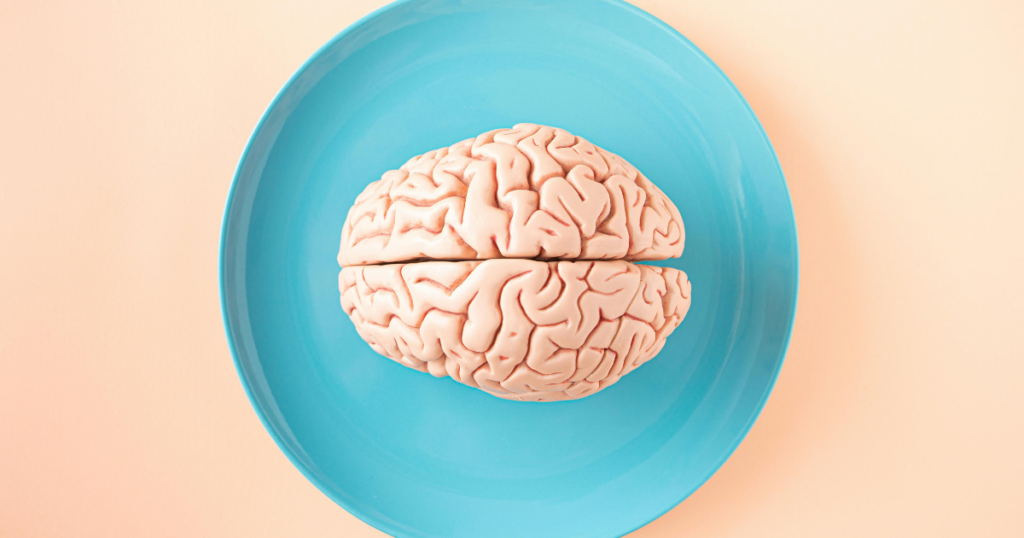
Brain cell damage from alcohol occurs primarily through oxidative stress and inflammation rather than direct cell death. Alcohol metabolism produces toxic byproducts that damage cellular structures.
Chronic alcohol consumption leads to:
- Reduction in white matter integrity
- Decreased gray matter volume
- Impaired neuroplasticity
- Thiamine deficiency affects brain health
Heavy drinkers often develop measurable brain shrinkage visible on imaging scans. This volume loss correlates with cognitive deficits in memory, attention, and executive function.
The Impact on Cognitive Function
Alcohol and cognitive function share a complex relationship depending on drinking patterns, duration, and individual factors. Even moderate drinking effects can influence brain performance.
Cognitive Effects by Drinking Pattern:
| Drinking Pattern | Short-Term Effects | Long-Term Consequences |
| Single episode | Slowed reaction time, impaired memory | Usually reversible |
| Binge drinking | Blackouts, poor decision-making | Cumulative damage possible |
| Heavy regular use | Persistent cognitive fog | Significant impairment likely |
| Chronic alcoholism | Severe deficits across domains | May be partially irreversible |
The alcohol consumption impact on cognition becomes more pronounced with heavier and longer drinking histories.
Alcohol Neurotoxicity and Its Consequences
Alcohol neurotoxicity refers to the poisonous effects alcohol has on nervous system tissue. This toxicity manifests through multiple mechanisms that compound over time.
Wernicke-Korsakoff syndrome represents one of the most severe consequences resulting from thiamine deficiency, common in heavy drinkers. This condition causes:
- Severe memory impairment
- Confusion and disorientation
- Vision problems
- Difficulty with coordination
Even without developing this severe syndrome, chronic drinkers often experience measurable declines in memory, processing speed, and executive function.
Can Brain Cells Regenerate After Alcohol Damage?
Brain cell regeneration offers hope for those recovering from alcohol-related damage. Research has revealed that neurogenesis does occur in certain brain regions throughout life.
Recovery potential depends on several factors:
- Duration and severity of alcohol use
- Age and overall health
- Length of abstinence
- Nutritional rehabilitation
Studies show that abstinence allows significant brain recovery. Brain volume can partially be restored, and cognitive function often improves substantially within the first year of sobriety. However, some damage from severe chronic use may be permanent.

The brain’s remarkable plasticity means remaining cells can compensate by forming new connections, underlying much of the cognitive recovery seen in people who stop drinking.
Moderate Drinking Effects on the Brain
Moderate drinking effects on brain health remain somewhat controversial. While heavy drinking clearly causes harm, the impact of light consumption is less definitive.
Recent research suggests even moderate drinking may affect brain health more than previously thought. Studies have found associations between moderate alcohol consumption and:
- Subtle reductions in brain volume
- Minor changes in white matter structure
- Possible increased risk of cognitive decline with aging
These findings challenge earlier beliefs that moderate drinking might be harmless. Current evidence suggests that less alcohol is better for brain health.
Your OPUS for Protecting Brain Health
So, does alcohol kill brain cells every time you drink? Not exactly, but alcohol causes significant damage to brain structure and function through multiple mechanisms. The good news is that much of this damage can heal with sustained abstinence.
At OPUS Treatment Center, we help individuals understand and recover from alcohol’s effects on the brain and body. Our evidence-based programs support cognitive recovery through medical care, nutrition, therapy, and comprehensive rehabilitation. Contact OPUS Treatment Center today to learn how we can help you or your loved one protect brain health and build lasting recovery.
FAQs
1. How does alcohol consumption impact brain cell damage and cognitive function?
Alcohol consumption impacts the brain primarily by disrupting communication between neurons, damaging dendrites, and causing inflammation rather than directly killing cells. These effects impair cognitive function, including memory formation, decision-making, and processing speed. The severity increases with heavier and more prolonged drinking patterns.
2. What are the effects of alcohol neurotoxicity on brain health?
Alcohol neurotoxicity causes oxidative stress, inflammation, and nutrient depletion that damage brain tissue over time. Chronic exposure can lead to measurable brain shrinkage, white matter damage, and conditions like Wernicke-Korsakoff syndrome. These toxic effects accumulate with continued drinking and can result in lasting cognitive impairment.
3. Can moderate drinking affect brain cell regeneration and overall brain health?
Recent research suggests even moderate drinking may negatively affect brain health, with studies showing associations between light consumption and subtle brain volume reductions. While the brain can regenerate some cells through neurogenesis, alcohol may interfere with this process. Current evidence indicates that minimal alcohol consumption is optimal for brain health.
4. What is the relationship between alcohol consumption and cognitive function decline?
Alcohol consumption and cognitive function decline share a dose-dependent relationship, meaning heavier drinking correlates with greater impairment. Effects include deficits in memory, attention, executive function, and processing speed. Even moderate long-term drinking may contribute to accelerated cognitive aging.
5. How does drinking influence the brain’s ability to recover from cell damage?
Drinking impairs the brain’s recovery capacity by continuing to cause damage and depleting essential nutrients for repair. However, abstinence allows significant brain recovery, with studies showing improvements in brain volume and cognitive function within months of sobriety. The brain’s neuroplasticity enables remaining healthy cells to form new connections during recovery.