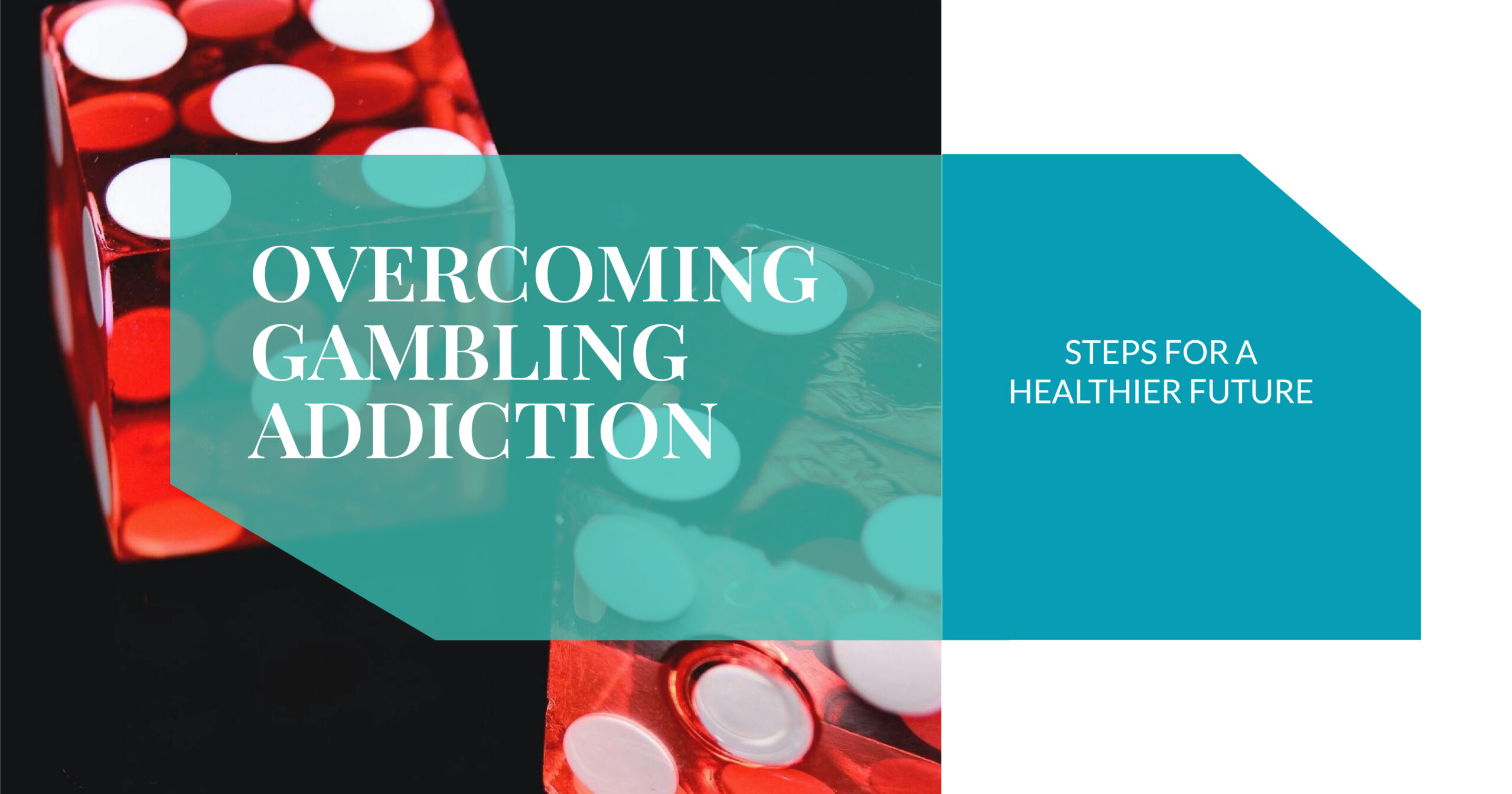
Gambling may begin as an exciting form of entertainment, but for many, it evolves into a life-altering addiction. The consequences can ripple through every aspect of a person’s life from finances to relationships and mental well-being. If you’re struggling or watching a loved one suffer, know that recovery is possible. In this guide, we’ll explore how to stop gambling addiction, offer practical strategies, and explain how Opus Health can be a trusted ally in your journey to freedom.
Understanding the Depth of Gambling Addiction
Gambling addiction is more than just a bad habit or a lack of self-control. It’s classified as a behavioral addiction, similar in its impact to substance abuse disorders. The thrill of placing a bet, the hope of a big win, and the subsequent emotional crash can trap individuals in a dangerous cycle.
According to the National Council on Problem Gambling, nearly 2 million adults in the U.S. meet the criteria for severe gambling addiction, while another 4-6 million are considered problem gamblers. These numbers underline the importance of accessible gambling addiction help and highlight how widespread the issue is.
Biological, psychological, and environmental factors all contribute to the development of gambling addiction. Dopamine surges caused by risk-taking behavior reinforce the need to gamble, even when losses pile up and logic disappears. The compulsion becomes a coping mechanism—used to escape stress, anxiety, or depression.
Recognizing the Signs and Symptoms
Early recognition is crucial in overcoming gambling addiction. Many sufferers hide their behavior due to shame or fear of judgment, which makes awareness all the more important. Key signs include:
- Frequent obsession with gambling activities.
- Lying to loved ones about time or money spent gambling.
- Neglecting responsibilities (job, family, health) to gamble.
- Repeated unsuccessful attempts to stop.
- Gambling larger amounts to achieve the same thrill.
- Financial problems, including borrowing or stealing money.
By identifying these patterns early, individuals and their families can begin the path toward recovery with greater clarity and purpose.
How to Stop Gambling Addiction: Practical First Steps
The journey toward healing starts with a conscious decision to stop gambling urges. While that may sound simple, the behavioral patterns involved make it challenging without structured guidance. Here are some practical first steps:
- Admit the problem. Acknowledgment is the gateway to action.
- Block Access. Install software to restrict gambling sites and apps.
- Limit Financial Access. Hand over control of finances to a trusted person.
- Journal Triggers. Note emotional or situational triggers that lead to gambling.
- Engage in Alternative Activities. Redirect time and energy into hobbies or exercise.
Each small action builds momentum. These changes aren’t about perfection but persistence and each step takes you further away from the chaos and closer to a healthier life.

Getting Help: Effective Gambling Addiction Therapy Options
Self-motivation is important, but professional help can make the difference between short-term effort and long-lasting recovery. There are multiple treatment for gambling addiction programs designed to target the root causes, behaviors, and coping strategies associated with the disorder.
| Therapy Option | Description |
| Cognitive Behavioral Therapy (CBT) | Helps individuals recognize irrational thoughts and change destructive behavior |
| Motivational Interviewing | Strengthens personal motivation for change through guided conversation |
| Family Therapy | Involving loved ones to rebuild trust and improve communication |
| Inpatient Treatment Programs | Structured, immersive programs for severe gambling cases |
| Outpatient Counseling | Flexible therapy for those needing a balance between recovery and daily life |
These therapies are often combined for optimal effectiveness. A custom approach ensures the individual receives the care best suited to their needs and circumstances.
Exploring Support Groups for Gamblers
Alongside therapy, support groups offer peer-based encouragement and accountability, two crucial components in maintaining long-term sobriety. Joining a community of people facing the same struggles can reduce isolation, normalize your feelings, and provide practical advice.
Here are some trusted support groups for gamblers:
- Gamblers Anonymous (GA). A 12-step fellowship modeled after Alcoholics Anonymous.
- SMART Recovery. Offers science-based tools for managing addictive behaviors.
- R/problemgambling on Reddit. A moderated online forum offering real-time peer support.
According to the Substance Abuse and Mental Health Services Administration (SAMHSA), participation in peer support programs significantly improves the chances of sustained recovery. These communities help you find strength through shared experiences and keep you grounded during tough times.
Breaking the Habit: Managing Gambling Triggers
Even after the initial urges are controlled, breaking gambling habits means learning to anticipate and neutralize potential triggers. These triggers may be emotional, environmental, or even social, and managing them is key to avoiding relapse.
Here are some proven strategies:
- Identify your Triggers. Triggers may include stress, loneliness, or specific locations like casinos or betting websites.
- Establish Healthy Routines. Replace risky downtime with productive or calming activities.
- Practice Mindfulness And Relaxation Techniques. Meditation and breathing exercises can help ground you during intense urges.
- Avoid Enabling Relationships. Surround yourself with supportive, understanding individuals.
- Create Accountability Structures. Use apps, mentors, or daily check-ins to stay on track.
Managing gambling triggers isn’t about willpower alone; it’s about restructuring your environment, thought patterns, and behavior. The more you understand your own vulnerabilities, the better equipped you’ll be to protect your progress.
Rebuilding Life After Gambling: Restoring Trust and Stability
The aftermath of a gambling addiction often involves fractured relationships, financial damage, and emotional exhaustion. Recovery isn’t just about stopping the behavior; it’s about rebuilding what was lost.
Here’s where you focus on restoring trust and stability:
- Be transparent about finances and progress.
- Set up a repayment plan if debts remain.
- Attend couples or family therapy sessions to work through conflict.
- Celebrate small wins, such as paying bills on time, managing urges, or completing therapy sessions.
- Take on new responsibilities or hobbies that instill a sense of purpose and self-worth.
Healing takes time, and rebuilding trust is a process, not a promise. But with effort, patience, and consistent action, relationships can be repaired, and a more stable future is within reach.

Unfold: Long-Term Recovery Strategies at Opus Health
At Opus Health, we understand that gambling addiction is complex and deeply personal. That’s why our programs are rooted in individualized care designed to support clients long after initial treatment ends.
Our long-term recovery strategies include:
- Integrated therapy combining CBT, group counseling, and holistic practices.
- Relapse prevention planning tailored to each client’s risk profile.
- Ongoing aftercare programs, including alumni networks and telehealth check-ins.
- Family healing workshops to promote communication and forgiveness.
- Case management and life coaching to support reintegration into everyday life.
Whether seeking help for yourself or someone you love, our team offers compassionate, evidence-based care that empowers lifelong healing. When you’re ready to move forward, we’re ready to walk beside you. Contact Opus Health today to speak with a specialist or explore our personalized programs:
FAQs
- What are the most effective strategies for overcoming gambling urges?
The most effective strategies include recognizing your triggers, developing healthy coping mechanisms like mindfulness, and seeking professional help or support groups to stay accountable.
- How can therapy options assist in treating gambling addiction?
Therapy helps individuals understand the root causes of their addiction, restructure harmful thought patterns, and build emotional resilience, all of which are critical in breaking the addiction cycle.
- What support groups are available for gamblers seeking help?
Support groups like Gamblers Anonymous, SMART Recovery, and online forums such as Reddit’s r/problemgambling provide essential peer support, guidance, and motivation throughout the recovery journey.
- How can one manage gambling triggers to break the habit cycle?
By identifying personal triggers, avoiding high-risk environments, practicing stress-relief techniques, and creating structured daily routines, individuals can effectively manage their cravings and avoid relapse.
- What are the long-term solutions for preventing relapse in gambling addiction?
Long-term solutions include continuous therapy, participation in support groups, structured aftercare, lifestyle changes, and building strong social support networks to maintain accountability.