Skip to content




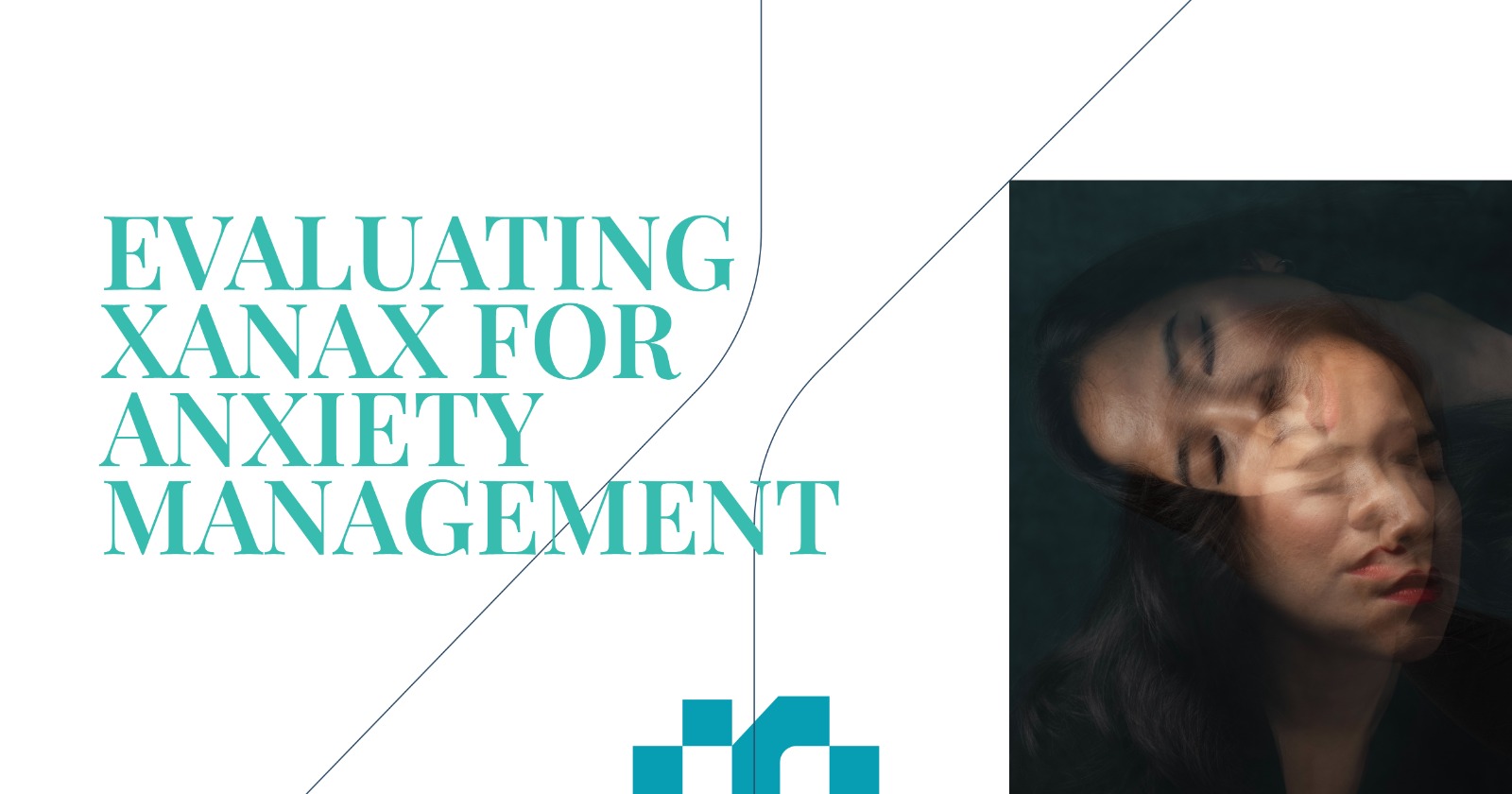
Anxiety may be in the form of a fast heart rate, thoughts that are racing, and also a throbbing that cannot be stopped. The problem is many resort to medication as a pain reliever, and Xanax (alprazolam) is among the most widely prescribed medicines to deal with anxiety in the U.S. Yet, with all this speculation on whether it is safe, how much of it should be taken, and whether it is effective, the question is, is Xanax good or bad to cure anxiety?
We will have a look at what studies have claimed, how it acts, its advantages and disadvantages, and what alternative treatment can be more useful in long-term stability.
Understanding Xanax as a Treatment for Anxiety
Xanax is one of the medications that are classified under benzodiazepines, which are formulated to relax the nervous system. Doctors commonly prescribe it for generalized anxiety disorder (GAD), panic disorder, and intermittent episodes of anxiety.
The National Institute on Mental Health (NIMH) recommended benzodiazepines for short-term anxiety relief. Nevertheless, they cannot be discussed as valuable in the long term because of the possibility of dependence.
How Xanax Works in the Brain
To know whether Xanax is appropriate for anxiety matters, it is good to know the interactions of Xanax with the brain. Xanax increases the impact of the chemical GABA (gamma-aminobutyric acid), which relaxes nerves. GABA is a calming compound, as it rises, you will be anxious and consequently feel a little more relaxed and at full concentration.
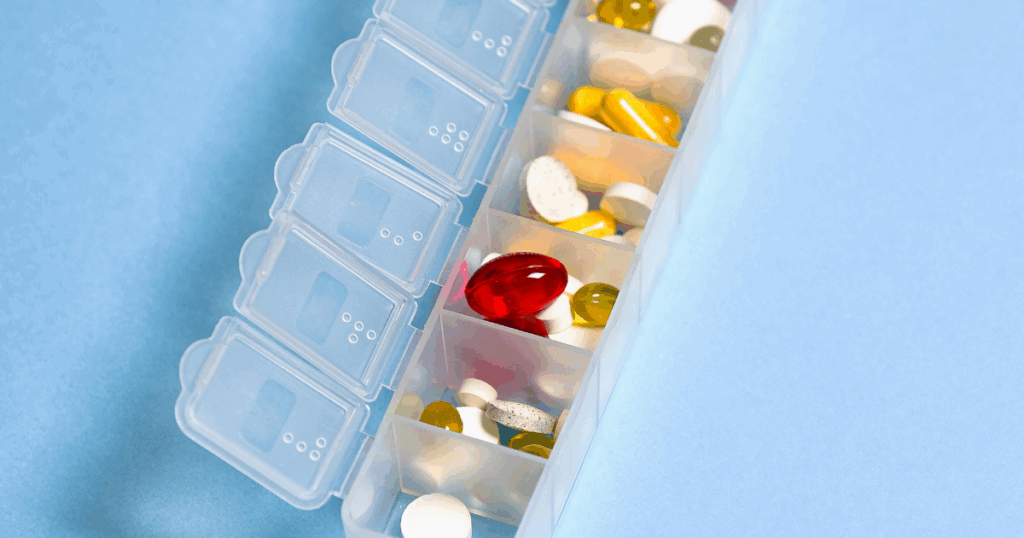
Here’s how it works, step by step:
- Xanax reduces brain activity in part of the brain that is related to fear and stress.
- This decreases physical disorders such as rapid heartbeat, sweating, and shakiness.
- It can stimulate a feeling of relaxation for 30 to 60 minutes after it is taken.
Nevertheless, according to the American Psychiatric Association (APA), although Xanax is faster acting, the same may bring tolerance and dependence in case of overuse or overextended use.
Assessing the Effectiveness of Xanax for Anxiety Relief
So, does Xanax work as an anxiety drug? Yes and no- depends on the situation.
Xanax acts very quickly, and this may be useful in situations of severe anxiety spikes or destructive panic attacks. But, it is not supposed to substitute therapy or long-term drug regimens.
Xanax has the following performance in comparison to other treatments:
| Treatment Type | How Fast Does It Work | How Long Does It Last | Best For |
| Xanax (Benzodiazepine) | 30–60 minutes | 4–6 hours | Short-term anxiety or panic attacks |
| SSRIs (e.g., Lexapro, Zoloft) | 2–6 weeks | Long-term | Ongoing anxiety and depression |
| Therapy (CBT) | Gradual improvement | Long-term | Emotional and behavioral stability |
| Lifestyle & Holistic Care | Continuous | Lifelong benefits | Prevention and stress reduction |
Comparing Xanax to Other Anxiety Medications
Research shows that benzodiazepines such as Xanax are only effective in momentary anxiety cases and not chronic ailments.
This is what is unique about Xanax:
- Acts immediately to minimize the symptoms of panic.
- Use to calm anxiety on traveling, during unexpected stress, or in the case of surgery.
- More convenient to use when needed and not always on a daily basis.
But here’s what to consider:
- It becomes addictive when consumed excessively.
- Tolerance may develop with long-term use, or the same dose will not be effective any longer.
- It does not treat the cause of the anxiety – rather, it treats the symptoms.
Concisely, Xanax should be used over the short term, however, a combination with therapy and lifestyle support is a safer long-term balance.
Determining the Right Xanax Dosage for Anxiety
The right dosage of Xanax used in an anxiety case will be determined by several factors. The age of the patient, general health performance, and the form of anxiety disorder are critical concerns for the doctors.
The initial dosage is low and progressively raised with a doctor’s help.
Factors Influencing Xanax Dosage and Safety
This table explains key factors that determine safe dosage levels:
| Factor | Why It Matters | Effect on Dosage |
| Age | Older adults process drugs more slowly. | Lower doses recommended. |
| Medical Conditions | Liver or kidney issues affect metabolism. | Doses may need adjustment. |
| Other Medications | Some drugs interact with Xanax. | Doctors adjust timing or dosage. |
| Severity of Anxiety | More intense symptoms may need higher doses (temporarily). | Dosage increases cautiously. |
Studies indicate that during increased periods of Xanax use of over 12 weeks, there are chances of dependence and withdrawal. This is one of the reasons why physicians tend to taper the drug gradually at the time of withdrawal.
Side Effects of Xanax for Anxiety Patients
Xanax, just like any drug, is accompanied by side effects. Some of them are harmless and cannot be hard, and some may develop into more severe conditions when the drug is abused.
The typical side effects of Xanax used to treat anxiety include:
- Drowsiness or fatigue
- Dizziness or lightheadedness
- Slowed reaction time
- Memory issues
- Dry mouth or constipation
They tend to be short-lived and cause you to get used to them. However, extensive use may cause dependency, mood swings, or even withdrawal symptoms in cases where people miss taking the doses.
Exploring Alternatives to Xanax for Anxiety Relief
You also may question whether Xanax has anything to replace it regarding treating anxiety, and the response is yes, lots of them are effective and do not have the dependency risk that Xanax has.
These are some of the alternatives, which are supported by research:
- SSRI and SNRI: Drugs such as Lexapro, Zoloft, or Effexor are used to regulate serotonin and are more suitable when used over an extended period.
- Buspirone (Buspar): The drug does not produce any kind of addiction, and it does not induce drowsiness.
- Therapy (CBT or DBT): Shows you how to deal with triggers to stress and develop coping strategies.
- Natural methods: A natural way of reducing stress level hormones is through regular exercise, mindfulness, and balanced food.
A mere comparison is pointed out in the table below:
| Alternative | How It Helps | Best For |
| SSRIs/SNRIs | Regulate mood and reduce chronic anxiety. | Ongoing anxiety or depression. |
| Buspirone | Non-sedating, non-addictive option. | Mild to moderate anxiety. |
| Therapy | Builds emotional resilience. | All anxiety types. |
| Lifestyle Changes | Improves sleep and reduces cortisol. | Prevention and daily stress. |
Finding the Right Anxiety Treatment with Opus Health
At Opus Health, we realize that there is no universal guide to anxiety treatment.
Some individuals are already taking Xanax but need an alternative, others need a balanced and sustainable regimen, no matter the time, our experts are going to assist you with it. So, in case you are wondering whether Xanax works better for anxiety or is a safer long-term strategy, Opus Health would be happy to assist individuals on a compassionate and professional basis throughout the process.

FAQs
1. How effective is Xanax for anxiety relief compared to other medications?
Xanax acts fast and, in most cases, after an hour, and may bring powerful momentary relief of anxiety. Nonetheless, prescribed drugs such as SSRIs are believed to be safer and have a greater effect on the continuous management of anxiety.
2. What is the recommended Xanax dosage for managing anxiety symptoms safely?
The majority of physicians begin with 0.25 mg to 0.5 mg, given thrice a day. A healthcare professional must always set and adjust the precise dose to prevent side effects or dependence.
3. What are the common side effects of using Xanax for anxiety treatment?
The typical side effects are drowsiness, dizziness, and reduced reaction time. Proper monitoring must be conducted in order to prevent tolerance, dependence, and withdrawal symptoms, and to prevent long-term use.
4. Are there alternative medications to Xanax for anxiety that may have fewer side effects?
Yes, there are effective treatments such as SSRIs, SNRIs, and Buspirone that are less addictive and usable in the treatment of anxiety. CBT is also a great long-term therapy and an appropriate remedy.
5. What should I know before obtaining a Xanax prescription for anxiety management?
Before beginning to use Xanax, you must visit a licensed medical professional and discuss your health and other drugs. It is a short-term medicine that is not supposed to be used independently.