Skip to content

Reading Time: 6 mins
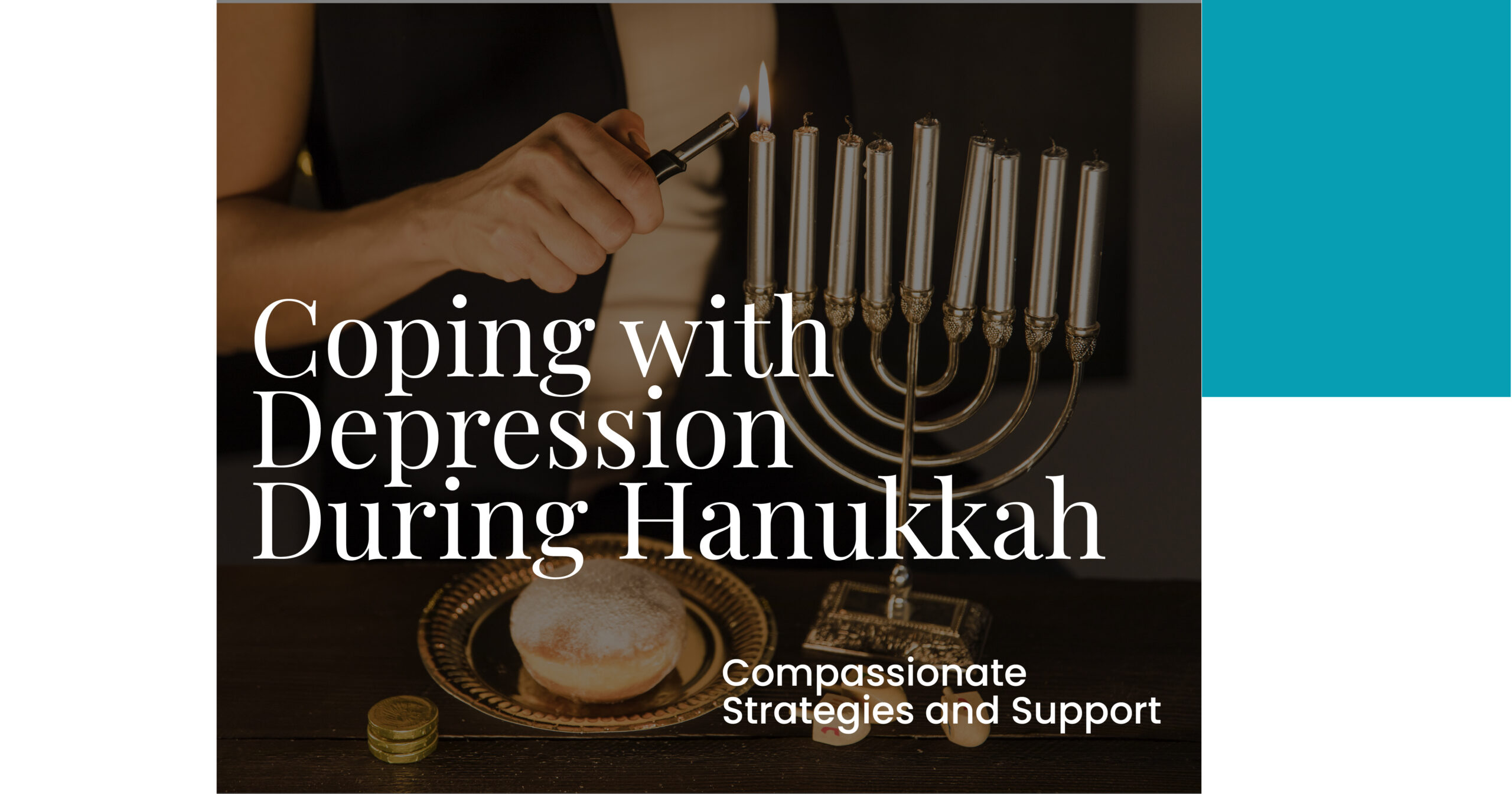
The Festival of Lights is supposed to be a time of affection, fellowship, and spiritual revival. But to most people, depression at Hanukkah casts a sudden shade over the menorah’s brightness. The depressive, lonely, or desolate moods may get even worse during the holidays, with such expectations of happiness going against self-pain or loss.
Coming to terms with the fact that it is okay to feel down in a season of celebration is the first step towards healing. Grief, loneliness, seasonal affective disorder, whatever it is, this guide can provide sensitive information and effective tips to get through the holiday in a kind and gentle manner towards yourself.
Signs and Roots of Depression During Hanukkah and Holiday Blues During Hanukkah
The depressed moods during Hanukkah are not usually limited to momentary sadness. They may be due to a combination of emotional, psychological, and situational factors, which may be worsened during the holiday season. The most typical symptoms are tiredness, sleeping or eating problems, loss of interest in tradition, inability to focus, as well as guilt or valuelessness.
The origins of these emotions are diverse. To others, during Hanukkah, grief and depression are brought about by the memories of their departed loved ones. Other people encounter increased levels of stress due to social pressures, family pressures, or financial stress. Shorter days of winter may also be a cause of seasonal affective disorder (SAD), which is a depressive condition that is associated with a lack of sunlight.
According to a study conducted by the National Institute of Mental Health (NIMH), less daylight can influence the level of serotonin and disrupt the circadian rhythms, which contribute to mood alterations. These roots assist in changing the emphasis from self-blame to self-awareness.
Coping with Depression During Hanukkah Through Compassionate Daily Practices
To cope with depression at Hanukkah, it is important to start with a little, purposeful self-help and self-care. Hanukkah is a festival of resilience and renewal, which can show you the way to better your mental health.
The following are some of the tender measures to develop your well-being:
- Honor Your Limits. Seek refuge against meetings that are daunting.
- Engage In Mindful Rituals. Emotional grounding can be achieved by lighting candles, reciting blessings, or making journal entries.
- Surround Yourself with Supportive People. Call friends, relatives, or mental health specialists who truly listen.
- Embrace Routine. Sleeping regularly, eating well, and taking light exercises encourage emotional stability.
- Permit Yourself to Take a Break. You do not need to be in the mood to celebrate when you are not doing well.
According to the reports of Psychology Today, the addition of mindfulness or gratitude practice found in our daily lives can severely decrease stress and lead to emotional regulation. It is not trying to make people be happy, but giving yourself room to feel every side of your emotions with compassion.
Finding Personalized Support and Guidance
In case your symptoms continue, professional assistance is a way to get the support and compassion to recover. Hanukkah-related or culturally sensitive therapy is a form of Jewish mental health care that trained therapists can incorporate into their care plan. Experience sharing may also be done in support groups and community programs.
To find culturally relevant resources, you can search the directories like the Jewish Federations of North America or NAMI FaithNet . These serve to assist people in finding Jewish-oriented therapists and community-based emotional support programs.
Managing Seasonal Affective Disorder Hanukkah with Light, Routine, and Support
Treatment of seasonal affective disorder Hanukkah is a combination of environmental and lifestyle changes. Because Hanukkah has much to do with light, the acceptance of literal light can also assist with mental health.
| Strategy | Description | Benefit |
| Light Therapy | Using a lightbox for 20–30 minutes in the morning | Helps regulate circadian rhythm and serotonin |
| Morning Routine | Expose yourself to natural sunlight early in the day | Enhances energy and mood |
| Movement | Gentle activities like yoga, walks, or stretching | Reduces depressive symptoms |
| Community Support | Join Hanukkah gatherings, synagogue events, or online forums | Builds connection and reduces isolation |
| Professional Care | Speak to a licensed therapist about SAD treatment | Provides tailored coping strategies |
Grief and Depression During Hanukkah: Honoring Loss While Holding Meaning
Depression during Hanukkah may hold more weight for people who are mourning the loss of a loved one. The light of the menorah may be reminding you of the person you miss and not what you have left.
Grieving that loss – to wait it out – could pave the way to tender healing. It can be very effective to light a candle in honor of a person you have lost or to talk about them at dinner. Hanukkah celebrates survival following darkness, which is a tale that is similar to the grief process.
It is also important to note that the process of healing is not to forget, but instead to continue the process of love in a different form. In case the grief is too much, seek the support of such organizations as the GriefShare or Modern Loss, where one can find understanding community support.
Building Light and Connection into the Season
It is easy to lose your energy with depression, but creating connecting moments can restore hope. You can work at a local shelter, make a Hanukkah dinner with other people, or just put candles with a friend on video. You need these little gestures to remind yourself that you need not be perfect to be connected, only present.
Hanukkah can become a healing and not a pressurizing time by creating traditions that represent your emotional truth. Be it in prayer, verse, silent contemplation, or welcome meaning to fit your present chapter, not the demands of society.
Stress Management Hanukkah: Boundaries, Rest, and Kindness
Boundaries are self-respect and emotional defense. Stress management during Hanukkah is a challenge that many people face, as they are under pressure to attend to family members or the community, which feels like exhaustion to them.
Be mildly assertive:
- Say no to anxiety-provoking events.
- Reduce social media comparisons.
- Planned downtime.
- Share needs with close individuals.
Rest is not a reward, but a necessity. Rest, as the American Psychological Association stresses, restores emotional reserves and enhances coping ability. A combination of rest and self-care is a way to boost your mental and physical energy during an otherwise stressful season.
Jewish Mental Health Resources Hanukkah and Hanukkah Sadness Support
In the case of the sadness support of Hanukkah, one must keep in mind that local and online help exist. Most of the Jewish organizations incorporate the cultural knowledge in the therapy and support services, so your beliefs and traditions are considered in the care.
You can explore:
- Blue Dove Foundation (thebluedovefoundation.org). Offers mental health and substance use education that is Jewish-based.
- Jewish Board of Family and Children Services (jbfcs.org). Provides treatment and community offerings focused on emotional wellness
- My Jewish Learning (https://www.myjewishlearning.com/). Articles and commentaries on how to find your way in emotional health with a Jewish sense.
By accessing these resources, you will not feel so lonely and more connected to a community that appreciates spiritual and psychological healing.
Learn to Cope With Depression During Hanukkah With Opus
We feel that the process of healing requires understanding, compassion, and connection at Opus Treatment. No matter how depressed you are on Hanukkah, grieving, or have a case of seasonal affective disorder, our team offers evidence-based care that is tailored to address your emotional and spiritual needs. Therapy, mindfulness, and community-oriented healing are part of our programs that will assist you in discovering the meaning and balance during the holiday season and beyond.
Let your Hanukkah light represent resilience, hope, and renewal even when the days feel dim. You don’t have to face this alone. Contact Opus Treatment today to begin your journey toward healing.
FAQs
How can I effectively cope with depression during Hanukkah using daily practices and routines?
Keep it simple, regular, and consistent – with habits like resting, practicing rituals, and walking outside. Practice of daily self-care can provide a sense of anchoring and provide some tranquility during the stress of a holiday. Aim to set your mind and mood before going to bed with something to journal or light candles to create attention and calmness.
What are some ways to manage seasonal affective disorder during Hanukkah with light therapy and community support?
Light therapy during the mornings and positive social interactions, such as community meetings or support groups, help to keep the human heart warm. Light is a remedy that can be used to overcome winter darkness; she sheds light on herself and the people around her.
How can I find Jewish mental health resources for Hanukkah to help with holiday blues and sadness?
Find faith-informed mental health care organizations such as the Blue Dove Foundation or the Jewish Board of Family and Children Services. Such sites will hook you with culturally aware professionals who have an idea about the intricacies of the Jewish tradition and spirituality.
What strategies are recommended for stress management during Hanukkah, especially in setting boundaries and allowing for rest?
Limit overcommitment, express your needs, and allow yourself to take a rest without conscience. You should only celebrate as fast as you wish, and what you think is nurturing instead of depleting.
How can I honor grief and manage depression during Hanukkah while still finding meaning in the holiday?
Honor loved ones through remembrance rituals and create new traditions that reflect healing and connection. Grief can coexist with light and meaning. You might dedicate one candle to your loved one’s memory or share their favorite story during a family meal.