Skip to content





Cymbalta (duloxetine) is one of the most widely prescribed antidepressants in the United States, used for major depressive disorder, generalized anxiety, fibromyalgia, and chronic pain. For the millions taking this medication, one of the most important questions is whether it’s safe to drink during treatment.
The short answer: combining Cymbalta and alcohol is medically discouraged and potentially dangerous. The interaction affects the brain, liver, and central nervous system in ways that amplify risks beyond what either substance carries alone.
How Cymbalta Works in the Body as a Serotonin Norepinephrine Reuptake Inhibitor
Cymbalta belongs to a class of antidepressants called serotonin norepinephrine reuptake inhibitors (SNRIs). Understanding its mechanism clarifies why alcohol creates such problematic interactions.
The Role of Neurotransmitters in Depression Treatment
Duloxetine blocks reuptake of two neurotransmitters—serotonin and norepinephrine—in the brain’s synaptic space. Normally, these neurotransmitters are quickly reabsorbed after release. Cymbalta prevents this reabsorption, increasing its concentration and activity duration.
Serotonin modulates mood, anxiety, and sleep. Norepinephrine influences alertness, energy, and pain perception. By boosting both, Cymbalta addresses neurochemical imbalances in depression while providing analgesic benefits through descending pain inhibition pathways.
The medication requires consistent daily dosing to maintain stable blood levels. This steady-state pharmacology is why alcohol—which creates acute, unpredictable neurochemical disruptions—poses such a direct conflict.
Why Mixing Cymbalta and Alcohol Creates Serious Health Risks
Alcohol and duloxetine each affect the central nervous system independently. Combined, their effects don’t simply add together—they compound in ways that create risks neither substance carries alone.
How Alcohol Amplifies Cymbalta Side Effects
Alcohol is a CNS depressant that enhances GABA activity while suppressing glutamate, producing sedation, cognitive slowing, and motor impairment. Cymbalta carries side effects, including drowsiness, dizziness, and cognitive impairment, that overlap directly with these depressant effects.
When both are active simultaneously, each amplifies the other’s sedating properties. A person who tolerates one glass of wine without Cymbalta may experience significantly more impairment from that same glass while on medication. This potentiation is unpredictable and varies by dosage, metabolism, and tolerance.
The Dangers of Central Nervous System Depression
The most acute danger is excessive central nervous system depression. Combined CNS suppression can impair respiratory drive, cardiovascular regulation, consciousness, and protective reflexes. Severe cases risk dangerous drowsiness, respiratory slowing, loss of coordination, and impaired judgment that compounds all other risks.
These dangers escalate with higher doses and are particularly acute during the first weeks of treatment when the body is still adjusting.
Common Cymbalta Side Effects and How Alcohol Intensifies Them
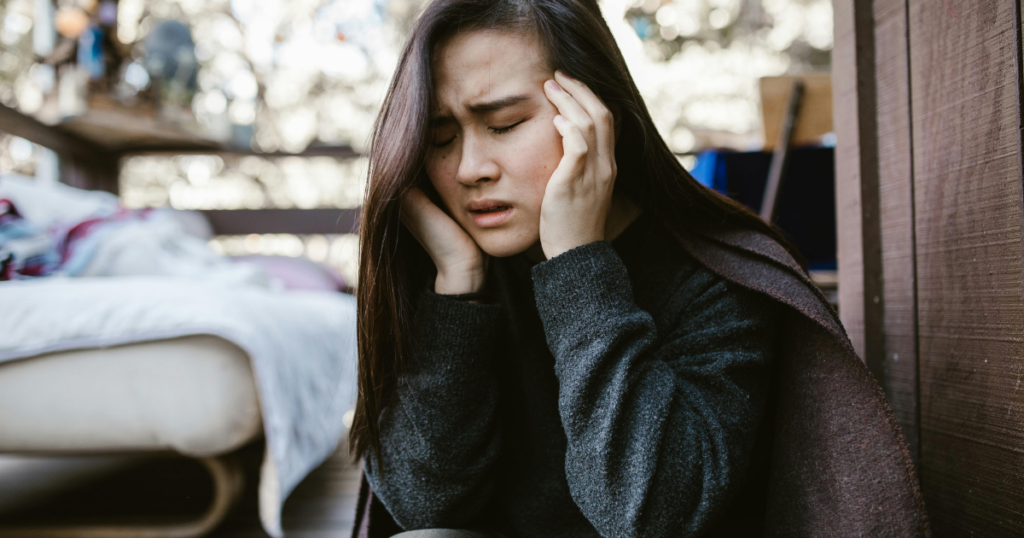
Cymbalta’s side effect profile includes several effects that alcohol directly worsens. Understanding this overlap helps patients recognize the specific risks they face.
Drowsiness, Dizziness, and Impaired Coordination
Drowsiness and dizziness each affect approximately 10 percent of Cymbalta users at therapeutic doses, typically most pronounced during initial weeks. Alcohol intensifies both—mild medication-related drowsiness can become severe sedation with even moderate drinking, making driving dangerous. Dizziness combined with alcohol’s vestibular effects increases fall risk substantially, especially in older adults.
Additional worsened side effects include nausea and gastrointestinal distress (both substances irritate the stomach lining), blurred vision, headaches, and difficulty concentrating.
Liver Damage: A Critical Concern With Concurrent Use
The liver damage risk from combining duloxetine and alcohol is one of the most serious clinical concerns—and the primary reason FDA labeling explicitly warns against this combination.
Cymbalta is metabolized by the liver through the CYP1A2 and CYP2D6 enzyme pathways. In clinical trials, duloxetine was associated with elevated liver enzymes in a small percentage of patients, indicating hepatic stress even without alcohol. Alcohol is also hepatically metabolized, primarily through alcohol dehydrogenase and CYP2E1, with chronic use causing inflammatory changes and oxidative stress.
When both require simultaneous processing, the liver faces compounded demand. This increases the risk of significant liver damage—particularly in patients with pre-existing liver conditions, those on higher Cymbalta doses, or anyone with a history of heavy drinking. Cases of severe liver injury, including liver failure, have been reported.
Drug Interaction Mechanisms Between Duloxetine and Alcohol
The drug interaction between Cymbalta and alcohol operates through multiple pharmacological pathways.
Metabolic Pathways and Hepatic Stress
Both substances compete for hepatic enzyme resources. Alcohol can alter the activity of CYP1A2—the primary enzyme responsible for duloxetine metabolism. Acute alcohol consumption may inhibit CYP1A2, potentially increasing duloxetine blood levels beyond the intended therapeutic range. Higher blood levels of duloxetine mean intensified side effects and greater toxicity risk.
Conversely, chronic heavy drinking induces certain CYP enzymes, which can accelerate duloxetine metabolism and reduce its effectiveness. This creates a situation where the medication may not reach therapeutic levels despite consistent dosing, undermining depression treatment while the patient is unaware of the reduced efficacy.
Blood Alcohol Concentration and Medication Efficacy
Alcohol directly counteracts Cymbalta’s therapeutic goals. While duloxetine works to stabilize mood by maintaining serotonin and norepinephrine levels, alcohol disrupts both neurotransmitter systems acutely. Alcohol initially increases serotonin release—producing temporary mood elevation—followed by a rebound depletion that worsens depressive symptoms.
This neurochemical seesaw undermines treatment efficacy over time. Patients who drink regularly while taking Cymbalta often find their depression or anxiety responds poorly to medication, leading to unnecessary dose increases and a cycle of escalating risk without proportional benefit.
Withdrawal Symptoms and Medication Safety During Recovery
Cymbalta carries a well-documented discontinuation syndrome—withdrawal symptoms that occur when the medication is reduced or stopped. Symptoms include brain zaps (electric shock sensations), nausea, headaches, irritability, insomnia, dizziness, and flu-like symptoms.
Alcohol complicates the withdrawal picture in several ways. Regular alcohol use can mask withdrawal symptoms, making it difficult for patients and clinicians to accurately assess whether discontinuation effects are occurring. Alcohol withdrawal itself produces overlapping symptoms—anxiety, tremors, insomnia, and nausea—that can be confused with or compounded by Cymbalta discontinuation.
Patients who have been combining duloxetine and alcohol use and then attempt to stop either substance face a more complex withdrawal process. Medical supervision becomes essential to safely manage the overlapping discontinuation effects and prevent dangerous complications. Tapering schedules must account for both substances and should never be attempted without clinical guidance.
Medication safety during recovery from alcohol use requires honest communication with prescribers about drinking patterns. Physicians need accurate information to adjust dosing appropriately, monitor liver function, and determine safe tapering protocols.
Medical Guidance and Safe Practices at Opus Health
The safest approach is straightforward: avoid alcohol while taking Cymbalta. The FDA labeling, clinical evidence, and pharmacological mechanisms all support this recommendation. For patients who find abstaining difficult—particularly those taking Cymbalta for depression, which itself increases vulnerability to alcohol misuse—professional support is essential.
At Opus Health, we specialize in treating the intersection of mental health conditions and substance use. Our programs provide integrated care that addresses both depression treatment and alcohol use simultaneously, including medication management with psychiatric oversight, evidence-based therapy for co-occurring disorders, and medically supervised detox when needed.
If you’re struggling to stop drinking while on antidepressant medication, that difficulty itself may be a sign that professional support would help.
Ready to address both concerns together? Contact Opus Health today to learn about our integrated treatment programs.

FAQs
- Can I safely drink alcohol while taking Cymbalta for depression treatment?
The FDA and prescribing guidelines recommend avoiding alcohol entirely while taking duloxetine due to increased liver damage risk, amplified CNS depression, and reduced medication efficacy. If you choose to drink, discuss it with your prescriber—but be aware that no amount of alcohol has been established as safe in combination with this medication.
- What happens to liver function when combining duloxetine and alcohol regularly?
Both substances require liver metabolism, and their combined processing creates compounded hepatic stress. Regular concurrent use increases the risk of elevated liver enzymes, hepatic inflammation, and, in severe cases, liver failure. Patients combining these substances should have liver function monitored through regular blood work.
- Does alcohol reduce how effectively Cymbalta works as a serotonin norepinephrine reuptake inhibitor?
Yes. Alcohol disrupts the same neurotransmitter systems Cymbalta targets, creating acute serotonin and norepinephrine fluctuations that undermine the medication’s stabilizing effect. Chronic drinking can also alter hepatic enzyme activity, changing how the body metabolizes duloxetine and potentially reducing its therapeutic blood levels.
- What withdrawal symptoms occur if I stop Cymbalta after mixing it with alcohol?
Discontinuation may produce brain zaps, nausea, dizziness, irritability, insomnia, and flu-like symptoms from Cymbalta withdrawal, potentially overlapping with alcohol withdrawal symptoms, including anxiety, tremors, and sweating. The combined withdrawal is more complex and should be managed under medical supervision with an individualized tapering plan.
- How long should I wait after my last drink before taking Cymbalta safely?
There’s no established universal waiting period since alcohol clearance varies by individual metabolism, amount consumed, and liver function. A general guideline is to allow alcohol to fully clear your system—typically 12 to 24 hours after moderate drinking—before resuming medication. Discuss your specific situation with your prescriber for personalized guidance.