Skip to content





Non-alcoholic beers have surged in popularity as more people seek alternatives to traditional alcoholic beverages. Whether motivated by health goals, lifestyle changes, or recovery from alcohol addiction, many consumers are turning to these low-alcohol or alcohol-free options.
But are non-alcoholic beers actually good for you? And more importantly, are they safe for everyone? Understanding the benefits and potential risks of these beverages helps you make informed decisions that support your health and well-being.
What Is Non-Alcoholic Beer?
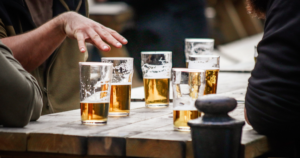
Non-alcoholic beer is a beverage designed to mimic the taste, appearance, and experience of traditional beer while containing little to no alcohol. These drinks are typically brewed using the same process as regular beer, with an additional step to remove or reduce the alcohol content before packaging.
Most non-alcoholic beers contain up to 0.5% alcohol by volume (ABV), which is significantly less than regular beer that typically ranges from 4% to 6% ABV or higher. Some products labeled as “alcohol-free” contain even less or no detectable alcohol at all.
The market for non-alcoholic beer has expanded dramatically in recent years, offering consumers a wide variety of styles, including pale lagers, IPAs, stouts, wheat beers, and craft options. Major breweries and specialty producers alike now offer non-alcoholic versions of popular styles.
Health Benefits of Non-Alcoholic Beer
Non-alcoholic beer offers several potential advantages for health-conscious consumers.
Reduced alcohol intake is the most obvious benefit. For people looking to cut back on drinking without completely abandoning social rituals involving beer, non-alcoholic options provide a familiar experience without the intoxicating effects. This can help moderate drinkers reduce their overall alcohol consumption while still enjoying the taste they prefer.
Lower calorie content makes non-alcoholic beer attractive for weight management. Most non-alcoholic beers contain fewer calories than their alcoholic counterparts because alcohol itself is calorie-dense, providing about seven calories per gram. Removing the alcohol typically results in a lighter beverage that fits better into calorie-conscious diets.
Nutritional value may surprise some consumers. Non-alcoholic beer contains several beneficial nutrients including B vitamins like folic acid, minerals such as potassium and calcium, and polyphenols that act as antioxidants. Some research suggests these compounds may support heart health and provide other benefits associated with moderate consumption of certain plant-based foods.
Hydration is another advantage. Unlike alcoholic beer, which has diuretic effects that can contribute to dehydration, non-alcoholic beer does not significantly increase urine output. This makes it a more hydrating choice, particularly in social situations or warm weather.
Improved sleep may result from choosing non-alcoholic over regular beer. Alcohol disrupts sleep patterns and reduces sleep quality, even when consumed in moderate amounts. Switching to non-alcoholic alternatives eliminates this effect while still allowing enjoyment of beer’s flavor.
Potential Risks and Downsides
Despite its benefits, non-alcoholic beer is not without potential drawbacks that certain individuals should consider carefully.
Residual alcohol content remains a significant concern for some people. Most non-alcoholic beers contain up to 0.5% ABV, which though minimal, is not zero. For individuals with alcohol use disorder, those in recovery, or people who must avoid alcohol completely for medical or religious reasons, even this small amount may be problematic.
Higher sugar and carbohydrate content can be an issue in some non-alcoholic beers. To compensate for the flavor changes that occur when alcohol is removed, some manufacturers add sugar or other ingredients that increase carbohydrate content. This may be concerning for people managing diabetes, watching their carbohydrate intake, or following specific dietary plans.
Potential allergens present in beer ingredients affect some consumers. Non-alcoholic beer typically contains gluten from barley, wheat, or other grains used in brewing. People with celiac disease or gluten sensitivity must be cautious, though gluten-free non-alcoholic options are increasingly available.
Psychological triggers can affect people with histories of alcohol problems. The taste, smell, and ritual of drinking non-alcoholic beer may activate cravings or trigger relapse in individuals recovering from alcohol addiction. The similarity to regular beer can be problematic for those working to break associations between drinking and certain behaviors or situations.
Cost considerations may factor into decisions. Non-alcoholic beers often cost as much as or more than regular beers despite containing less alcohol. For budget-conscious consumers, this premium pricing may be a deterrent.

Who Should Avoid Non-Alcoholic Beer?
While non-alcoholic beer is safe and potentially beneficial for many people, certain groups should exercise caution or avoid it entirely.
People recovering from alcohol addiction face the greatest risk from non-alcoholic beer consumption. Even though the alcohol content is minimal, the experience of drinking something that looks, tastes, and smells like beer can trigger powerful cravings and undermine recovery efforts. The ritual of drinking beer, the environments where it is typically consumed, and the social associations can all activate patterns of thinking and behavior that recovering individuals are working to change.
Many addiction treatment professionals advise their clients to avoid non-alcoholic beer completely, at least during early recovery. The potential risks of triggering relapse far outweigh any benefits these beverages might offer.
Pregnant women should avoid non-alcoholic beer despite its low alcohol content. No amount of alcohol has been proven safe during pregnancy, and even small quantities may potentially affect fetal development. The safest choice during pregnancy is complete abstinence from all alcoholic and near-alcoholic beverages.
People with certain medical conditions should consult healthcare providers before drinking non-alcoholic beer. Those managing diabetes need to consider the sugar and carbohydrate content of these beverages. People with high blood pressure, liver conditions, or other health issues affected by diet should discuss whether non-alcoholic beer is appropriate for them.
Individuals taking certain medications may need to avoid even trace amounts of alcohol. Some prescription drugs interact negatively with alcohol, and while 0.5% ABV is very low, it may still be contraindicated for people on specific medications.
Tips for Choosing Non-Alcoholic Beer
If you have determined that non-alcoholic beer is appropriate for your situation, these guidelines can help you make the best selection.
Read labels carefully to understand exactly what you are drinking. Check the ABV to confirm whether the product is non-alcoholic (up to 0.5% ABV) or truly alcohol-free (0.0% ABV). Review ingredient lists for potential allergens or components you prefer to avoid.
Compare nutritional information across different brands. Sugar, carbohydrate, and calorie content can vary significantly between products. Finding options that align with your dietary goals may require some comparison shopping.
Explore different styles and brands to find what you enjoy most. The non-alcoholic beer market has grown substantially, and quality varies widely. Premium craft options may offer better flavor profiles than mass-market alternatives.
Consider your motivations honestly. If you are choosing non-alcoholic beer primarily because you feel you should cut back on alcohol, it may be worth examining whether this reflects a larger issue with drinking that deserves professional attention.
When Non-Alcoholic Beer Is Not Enough
For some people, the decision to switch to non-alcoholic beer signals a recognition that their relationship with alcohol has become problematic. If you find yourself constantly thinking about drinking, struggling to control your consumption, or experiencing negative consequences from alcohol use, non-alcoholic beer is unlikely to solve the underlying issue.
Alcohol use disorder is a medical condition that requires proper treatment, not just beverage substitution. Attempting to manage addiction by switching to non-alcoholic alternatives rarely addresses the psychological, behavioral, and sometimes physical aspects of dependence.
Warning signs that suggest professional help may be needed include unsuccessful attempts to cut back or stop drinking, continued use despite relationship, work, or health problems, spending significant time obtaining, using, or recovering from alcohol, experiencing withdrawal symptoms when not drinking, and needing increasing amounts to achieve desired effects.
If you recognize these patterns in yourself or someone you care about, seeking professional evaluation and treatment offers the best path forward.
FAQs About Non-Alcoholic Beer
1. Does non-alcoholic beer contain any alcohol?
Most non-alcoholic beers contain up to 0.5% alcohol by volume, which is significantly less than regular beer but not zero. Some products labeled “alcohol-free” contain 0.0% ABV. Always check the label to understand exactly what you are drinking.
2. Can non-alcoholic beer cause a relapse for someone in recovery?
Yes, non-alcoholic beer poses relapse risks for people recovering from alcohol addiction. The taste, smell, and ritual of drinking beer can trigger cravings and activate old patterns of thinking. Most addiction specialists recommend that people in recovery avoid non-alcoholic beer entirely.
3. Is non-alcoholic beer safe during pregnancy?
No. Pregnant women are advised to avoid non-alcoholic beer because even small amounts of alcohol may potentially harm fetal development. Since no amount of alcohol has been proven safe during pregnancy, complete abstinence from all alcoholic and near-alcoholic beverages is recommended.
4. Is non-alcoholic beer healthier than regular beer?
Non-alcoholic beer offers some health advantages, including fewer calories and no intoxicating effects. It contains beneficial nutrients like B vitamins and antioxidants. However, it may have higher sugar content than regular beer, and it is not appropriate for everyone, particularly those with alcohol use disorder.
5. Can you get drunk from non-alcoholic beer?
Practically speaking, no. The alcohol content in non-alcoholic beer (0.5% ABV or less) is so low that you would need to consume an enormous quantity in a very short time to feel any intoxicating effects. For comparison, many fruit juices and fermented foods contain similar trace amounts of alcohol.
Get Help for Alcohol Addiction at Opus Treatment
If your interest in non-alcoholic beer stems from concerns about your relationship with alcohol, switching beverages may not be enough. Opus Treatment provides comprehensive care for people struggling with alcohol use disorder, offering medically supervised detox, evidence-based therapy, and personalized treatment plans designed to address the root causes of addiction. Our experienced team understands the complexities of alcohol dependence and provides compassionate support throughout every stage of recovery. You deserve more than a substitute for drinking; you deserve a life free from addiction. Contact Opus Treatment today to speak with a specialist and learn how we can help you build a healthier future.